Rye Flour: All the Reasons This Underrated Grain Deserves Some Love
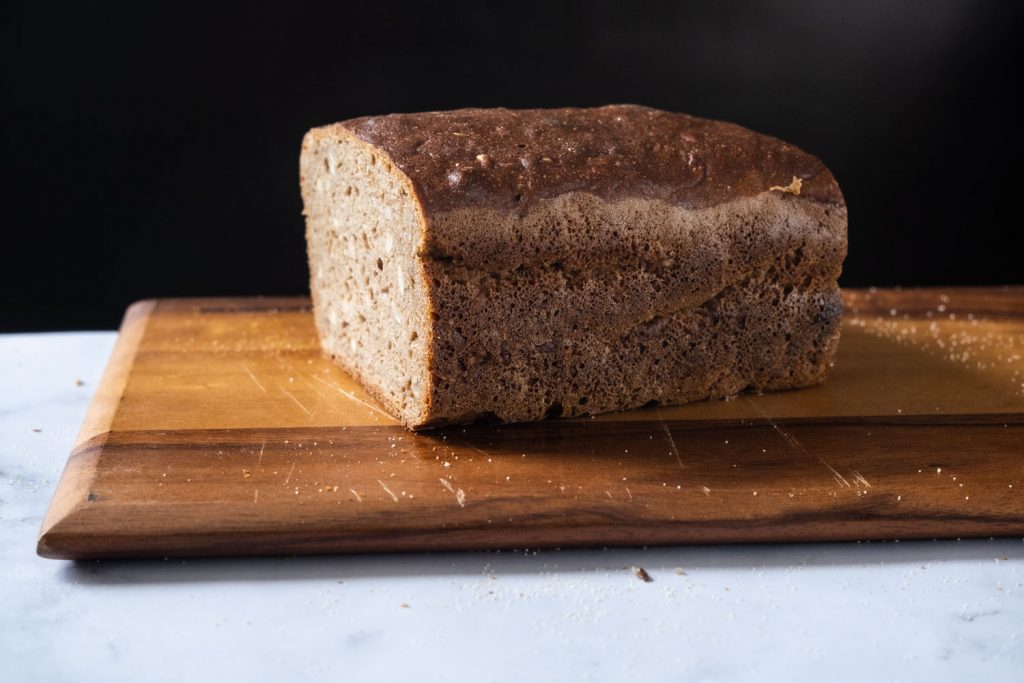
Hey, whatever happened to rye?
Is it just me, or is everyone suddenly obsessed with spelt?
Yes, we know spelt has plenty of nutritional benefits. But aren't we forgetting someone?
I feel like rye hasn't gotten this little attention since Salinger put a catcher in it.
Good thing you're here. I have a feeling that by the time you finish this post, you'll be heading to the nearest bakery for a loaf of whole-grain rye bread.
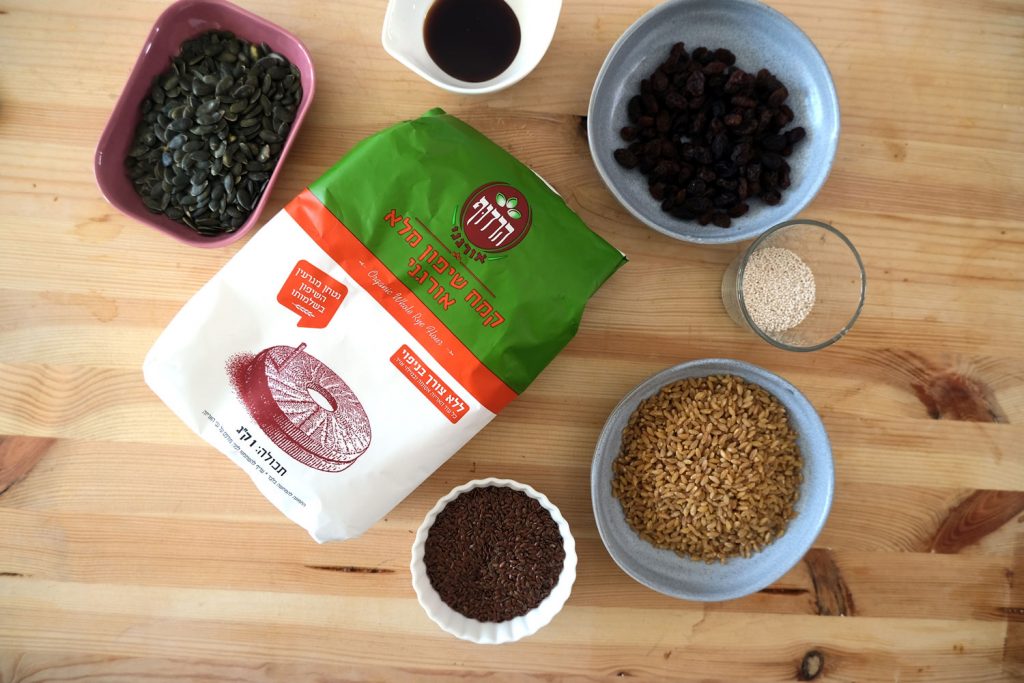
Before I explain why rye is your friend and deserves a spot in your kitchen, here are a few fun facts you might not know. And if you do know them, read along anyway. I worked hard on this.
- 1: It's a big deal in Russia
Russia has a rye-growing and rye-eating tradition stretching back more than 150 years, particularly when it comes to those heavy, dense rye breads.
Canada is another major rye producer, with Canadian whisky giving the grain a very different job to do.
- 2: Rye was once called the poor person's grain
Unlike wheat, rye isn't particularly fussy. It can grow in poor, nutrient-depleted soils and especially cold conditions.
That's why, throughout much of its history, it was a staple crop for communities with limited resources.
Could that explain the nickname? I'm going with yes.
- 3: Rye flour generally has less gluten than wheat or spelt flour
Really. Rye flour can contain around 8% protein, compared with 10–15% in wheat or spelt flour, though amounts vary. Protein isn't all gluten, so those numbers aren't gluten percentages. And rye still contains gluten: it's not suitable for people with celiac disease.
- 4. Growing rye can be good for the environment
Rye grows well through the winter, even in northern Europe. Farmers can use it as a cover crop in vegetable-growing fields, keeping the soil covered well beyond the main growing season.
Its deep roots help capture nutrients, improve soil health, prevent erosion, and suppress weeds without relying on herbicides.
5. Rye has a surprising connection to hallucinations
Okay, not rye itself. I'm talking about ergot, a fungus that can grow on rye.
Eating grain contaminated with this fungus can cause ergotism, a serious form of poisoning whose symptoms can include hallucinations.
In the late 1930s, researchers in Switzerland were exploring medical uses for compounds derived from ergot, including treatments related to migraines and childbirth. Dr. Albert Hofmann synthesized a compound called lysergic acid diethylamide, better known as LSD. Five years later, an accidental exposure led him to discover its effects. A subsequent deliberate experiment included a now-famous bicycle ride home. Talk about taking the scenic route.
See? I told you this would be interesting.
What are the health benefits of rye flour?
Whole-grain rye flour is especially rich in fiber. A comparison of rye and whole-wheat flour puts them at 18 grams and 15 grams of fiber, respectively, though the serving size and type of flour matter when comparing labels.
That fiber can help keep you feeling full and support steadier blood sugar. The glycemic response also depends on how the flour is processed and how the bread is made.
Feel especially satisfied after a sandwich on rye? The fiber is part of the reason.
Rye also brings a range of vitamins to the table, including vitamin E, an antioxidant that helps protect cells from free-radical damage, along with vitamin K, B5, and others. The amounts vary, so rye doesn't necessarily beat wheat or spelt across the board.
Another reason I'm a fan: its mineral content, including calcium, iron, magnesium, phosphorus, and manganese. Rye also contains lignans, which are plant compounds rather than minerals. Manganese helps enzymes do their work in glucose metabolism and the body's antioxidant defenses.
Rye also supplies the amino acid tryptophan, which the body uses to make serotonin, a chemical involved in mood, calm, and satiety. That's a useful nutritional contribution, not a promise that a slice of bread will change your mood.
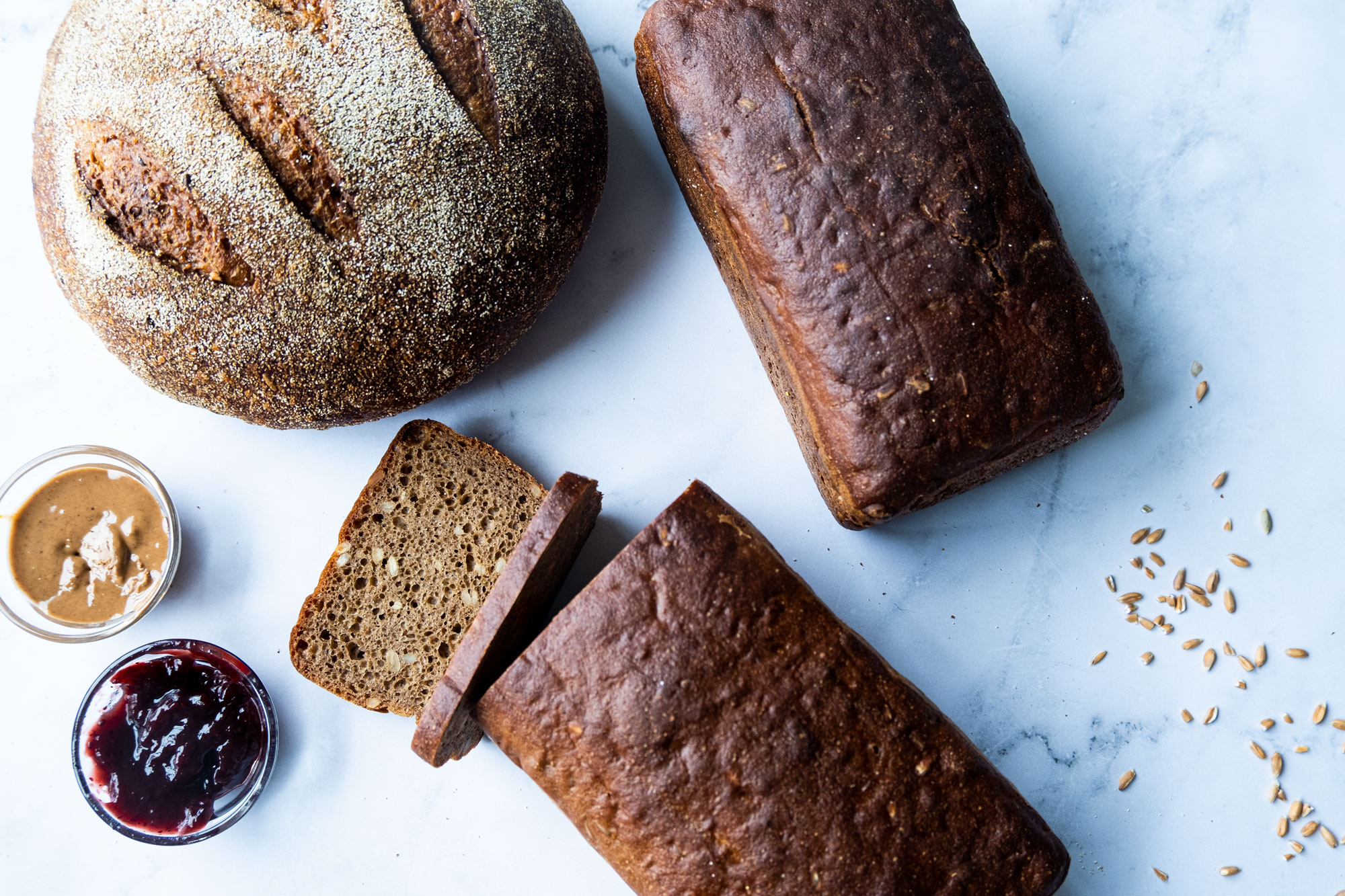
I love those heavy, dense rye loaves. They keep beautifully for several days after baking, and they're perfect for small sandwiches or breakfast.
Want a recipe for whole-grain rye bread? Get it here.
Haggai Leffler — The Vegan Athlete. This post was written in partnership with Harduf (an Israeli organic food brand).