If there is one dietary supplement in the world of sports that has earned the title "King of Supplements," it is undoubtedly Creatine. With thousands of clinical studies proving its efficacy and safety, it has become an integral part of the regimen for every serious athlete.
But when it comes to plant-based nutrition, the story of creatine takes a fascinating turn. For vegan athletes, creatine isn't just another performance-enhancing supplement—it’s the most powerful tool for bridging an inherent nutritional gap, often yielding even more dramatic results than it does for omnivores.
In this guide, we break down everything you need to know about creatine from a vegan and scientific perspective, as of 2026.
1. Why is Creatine Especially Important for Vegan Athletes?
Creatine is an organic compound produced in the body (in the liver and kidneys) from three amino acids: arginine, glycine, and methionine. Our body produces about 1g of creatine per day, but to reach full saturation of the muscle stores, we need double that amount.
Here’s the vegan catch: for omnivores, half of the daily creatine intake comes directly from food—mainly from beef, fish, and poultry. In a vegan diet, creatine intake from food is a flat zero.
The scientific implication is clear: studies consistently show that vegans and vegetarians have significantly lower muscle creatine stores compared to meat-eaters. The good news? Because the vegan starting point is lower, they are defined in research as "Hyper-responders"—meaning that once they start taking a creatine supplement, their performance improvement is often dramatic and noticeable compared to omnivores who already get creatine from their diet.
2. How Does It Work and What Do You Actually Feel?
To understand what you feel, you need to briefly understand the biology of muscle energy:
During short, explosive efforts (like a heavy set of squats or a sprint), the muscle uses an energy molecule called ATP. When ATP breaks down to release energy, it loses a phosphate group and becomes a "tired" molecule called ADP. The role of creatine (stored in the muscle as creatine-phosphate) is to donate its phosphate to the ADP and turn it back into available ATP in a split second.
So, what do you actually feel during training?
- An extra rep or two per set: Instead of failing on the 8th rep of a heavy set, you'll find you have the strength to complete the 9th and 10th.
- Improved explosive power: The ability to recruit maximum force at the start of a movement is palpably improved.
- Faster recovery between sets: Your heart rate and muscles return to readiness faster, allowing you to maintain high intensity throughout the workout.
- Fuller muscle appearance: Creatine pulls water into the muscle cells (cellular hydration). This not only improves cell metabolism and encourages hypertrophy (muscle growth) but also gives muscles a fuller, more aesthetic "pumped" look.
3. Dosage Protocol: To "Load" or Not? And What About Timing?
When starting creatine, the goal is to bring muscle stores to saturation. There are two ways to do this, and both are equally effective in the long run:
Option A: Loading Protocol (Fast but Intensive)
- The Protocol: Take 20g of creatine per day, divided into 4 doses of 5g throughout the day, for 5–7 days. Then switch to a maintenance dose of 3–5g per day.
- Advantage: Stores fill up within a week, and results are seen very quickly.
- Disadvantage: May cause mild digestive discomfort in sensitive individuals.
Option B: Moderate Protocol (Slow but Comfortable)
- The Protocol: Skip the loading and take a consistent dose of 3–5g per day from day one.
- Advantage: Zero digestive side effects, simple and convenient.
- Disadvantage: It takes between 3 to 4 weeks for stores to fully saturate before you start feeling the full effect.
💡 The Timing Question: When to take it?
Science shows that precise timing is of secondary importance, as creatine works on a cumulative basis rather than an immediate effect (like caffeine). However, there is a slight advantage to taking creatine immediately after a workout along with carbohydrates or protein, as the insulin spike helps drive the creatine into the muscle more efficiently. On non-training days, simply take it in the morning with a glass of water or a shake.
4. Safety and Side Effects: Debunking Myths
Creatine is perhaps the supplement that suffers from the most online misinformation. Let’s set the record straight based on science:
Myth 1: Creatine damages the kidneys.
The Truth: In healthy individuals, creatine is completely safe for long-term use. This myth stems from the fact that creatine slightly raises creatinine levels in blood tests (a natural byproduct of creatine breakdown). If you're doing a blood test, just tell your doctor you're taking creatine, or stop a week before the test.
Myth 2: Creatine causes hair loss.
The Truth: This is a myth based on a single old study from 2009 conducted on rugby players, which observed an increase in the hormone DHT. Since then, dozens of follow-up studies have tried and failed to replicate the results. There is no scientific evidence that creatine causes baldness.
Myth 3: Creatine makes you fat and bloated with water.
The Truth: Creatine does cause water retention, but it is intra-cellular (inside the muscle) rather than subcutaneous (under the skin). You won't look "fat" or "soft"—simply more muscular and full. The weight gain (usually 1-2 kg (4.4 lb)) is pure muscle water weight, not fat.
5. Which Creatine to Buy and How to Identify a Quality Product?
Supplement shelves are full of different types of creatine (HCL, ethyl ester, liquid, etc.), often accompanied by bloated marketing promises and a heavy price tag. Save your money and follow these rules to find the perfect product:
- The only type you need: Creatine Monohydrate. This is the original type, the cheapest, and the one on which 99% of global research is based. No other type has been proven more effective.
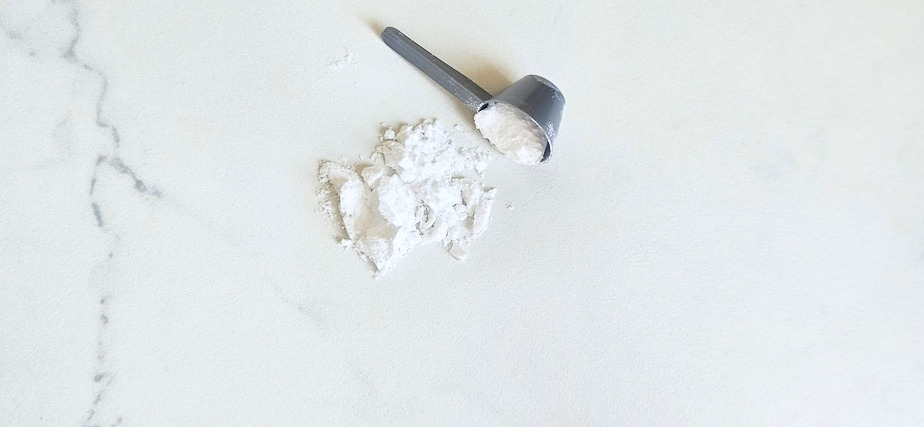
- Look for the word "Micronized": Micronized creatine has undergone an extra-fine grinding process. It mixes much more easily in liquids and doesn't leave a gritty, annoying texture at the bottom of the glass.
- Standard and Quality: Look for a high-quality, clean, and 100% pure product without unnecessary additives, which has been tested to ensure maximum muscle absorption.
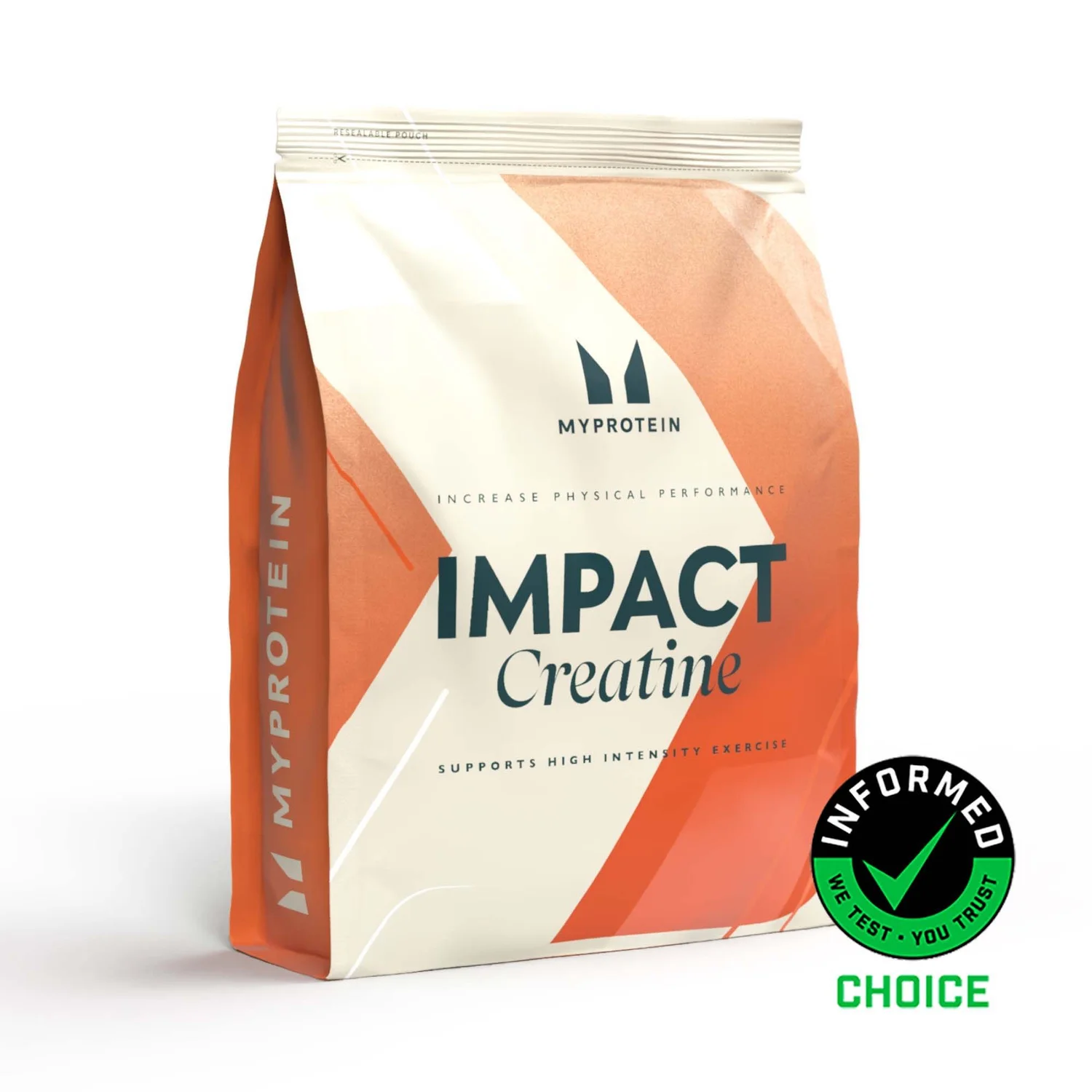
🛒 Where to find quality creatine that meets all these standards?
To save you the search and hesitation among dozens of brands, we have found one of the most recommended, pure, and cost-effective products on the market for you.
Bottom Line
For the vegan trainee, creatine is not a luxury—it is the most logical and cost-effective nutritional choice. It perfectly bridges the gap caused by the absence of this component in the diet, supports the building of muscle mass and strength, and even provides daily mental sharpness—all in a product that is safe, cheap, and completely vegan.
Ready to take your training to the next level? Don't compromise on the quality of the supplements you put into your body.