Short answer: yes — for most people, seitan is a healthy food. A 100 g (3.5 oz) serving of plain seitan delivers roughly 113 calories and 21-25 g of protein, with almost no fat and very few carbohydrates. Only two real caveats exist: seitan is made of wheat gluten, so it is completely off the menu for anyone with celiac disease, a wheat allergy, or gluten sensitivity — and it is low in the amino acid lysine, which is easy to fix with beans, lentils, or soy elsewhere in your day. Here is the full, numbers-first breakdown.
What exactly is seitan?
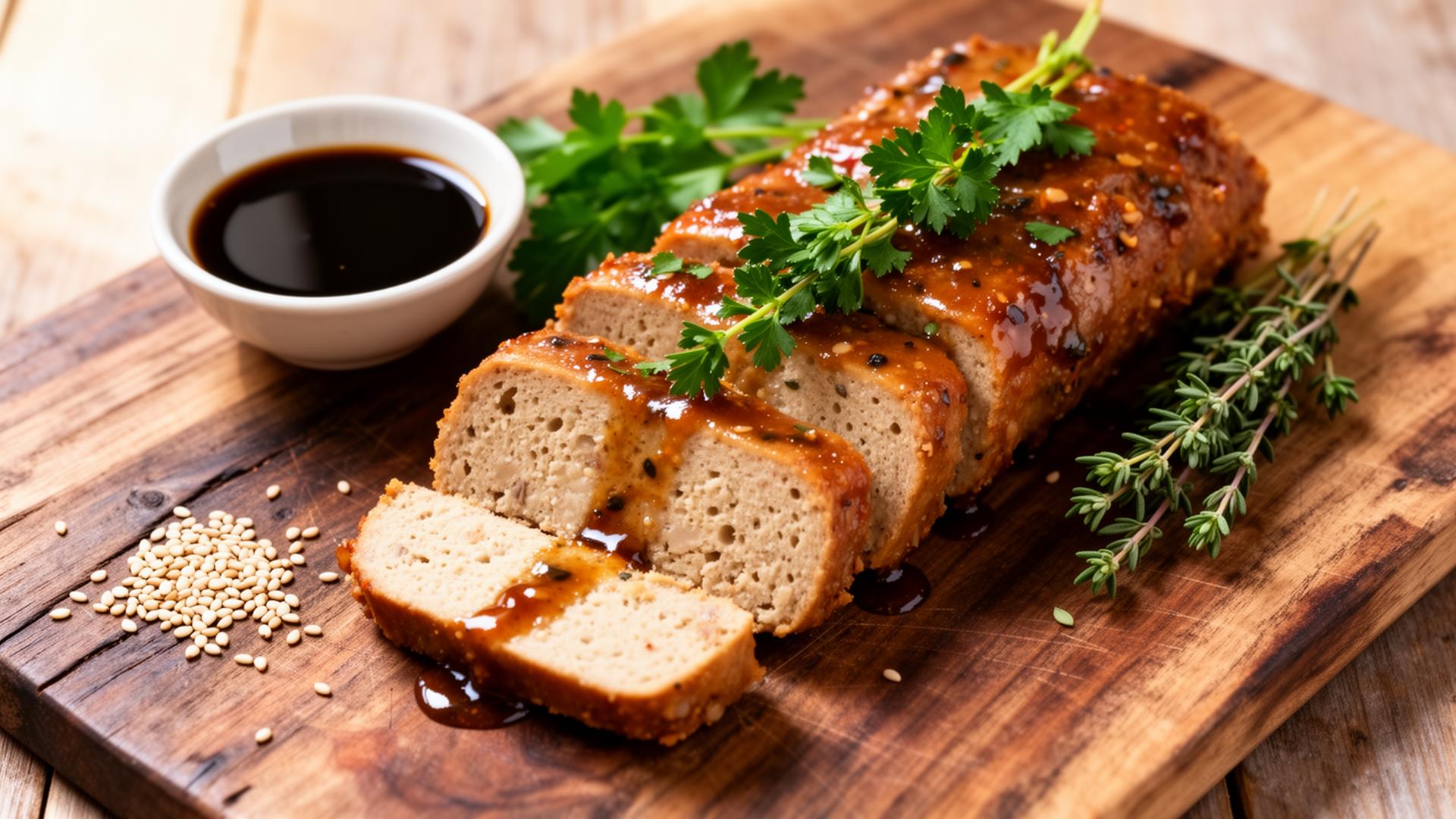
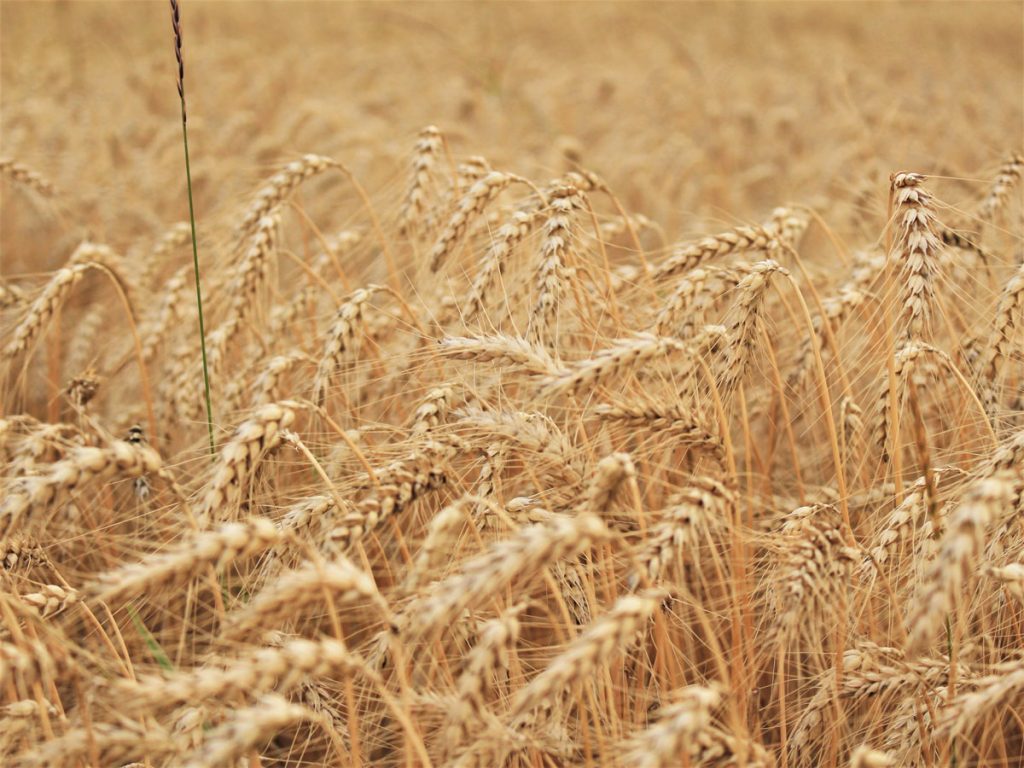
Seitan is wheat dough that has been rinsed in water until the starch washes away. What remains is an elastic mass of gluten — the two main wheat proteins, glutenin and gliadin — which is then simmered, steamed, or baked before eating.
The result is chewy, savory, and remarkably meat-like, which is exactly why it was invented: Chinese Buddhist monks developed it as a meat substitute as early as the 6th century. The word itself is Japanese, coined in the 1960s by macrobiotic diet founder George Ohsawa, before seitan traveled West and became a staple of vegan kitchens.
Seitan nutrition per 100 g (3.5 oz)
Because the starch is washed away, seitan is almost pure protein. Values for plain, homemade-style seitan (packaged versions vary):
| Nutrient (per 100 g (3.5 oz)) | Plain seitan |
|---|---|
| Calories | about 113 kcal |
| Protein | 21-25 g |
| Carbohydrates | 4-8 g |
| Fat | about 1-2 g |
| Fiber | under 1 g |
| Minerals | iron and selenium in useful amounts |
For perspective: 100 g (3.5 oz) of seitan matches the protein in a similar portion of chicken breast, at roughly two-thirds of the calories and with zero cholesterol.
Seitan vs chicken, tofu, and tempeh
| Food (100 g (3.5 oz)) | Protein | Calories |
|---|---|---|
| Seitan (plain) | 21-25 g | ~113 kcal |
| Chicken breast (cooked) | ~31 g | ~165 kcal |
| Tempeh | ~20 g | ~195 kcal |
| Firm tofu | ~15 g | ~144 kcal |
Measured as protein per calorie, seitan is one of the most efficient protein sources that exists — plant or animal. That is why so many vegan athletes lean on it during a cut. Curious how the two soy staples compare? See my full tempeh vs tofu breakdown.
The one nutritional gap: lysine
Seitan is high in protein but not a complete protein: wheat gluten is low in lysine, an essential amino acid your body cannot produce. The fix is simple — eat lysine-rich foods like lentils, beans, tofu, or tempeh during the same day. You do not need them in the same meal; your body pools amino acids over hours. I covered the science in the rice-and-beans protein myth.
Is seitan a processed food?
Technically yes — it does not occur in nature, and making it means washing away part of the wheat. But plain seitan is low in calories, sugar, and fat, which puts it in a very different category from typical ultra-processed foods. If your diet is built mostly on whole foods, seitan fits in comfortably.
The one real trap is store-bought seitan. Many packaged versions are simmered in salty marinades or loaded with sauces, and the sodium climbs fast. Check the label — or make it yourself with my complete guide to homemade seitan, where you control the salt and seasonings.

Who should avoid seitan?
Anyone who cannot eat gluten. That includes people with celiac disease, a wheat allergy, or non-celiac gluten sensitivity. For these groups, seitan is not an option at all — tofu, tempeh, lentils, and legume-based proteins are safer staples.
The healthiest ways to cook seitan
Simmering, steaming, and baking keep seitan lean. Deep-frying turns a 113-calorie protein into something else entirely. My default: simmer the seitan, then finish it in a hot pan with garlic, soy sauce, and a teaspoon of oil — or slice it into stir-fries, sandwiches, and wraps.
Frequently asked questions
Is seitan good for weight loss?
Yes. With around 21-25 g of protein for roughly 113 calories, seitan is exceptionally filling per calorie — the exact combination that makes a calorie deficit easier to hold.
Is seitan good for building muscle?
Yes, as part of a varied diet. Its protein supports muscle protein synthesis; just cover the lysine gap with legumes or soy across your day, and hit your total daily target — the International Society of Sports Nutrition recommends about 1.6-2.2 g of protein per kg of body weight for people who train.
Is seitan keto-friendly?
Largely yes: with only 4-8 g of carbs per 100 g (3.5 oz), plain seitan fits most low-carb approaches. Sweet glazes and sauces change the math.
Is seitan gluten-free?
No — seitan is essentially pure gluten. It is the least gluten-free food you can buy.
Can you eat seitan every day?
For most people, yes. Rotate it with legumes and soy foods for amino acid variety, and keep an eye on the sodium in packaged products.
The bottom line
Seitan is healthy for most people: a lean, high-protein, iron-containing staple with centuries of history behind it. Respect the gluten warning, fix the lysine gap with legumes, and prefer homemade or low-sodium versions — and you have one of the best protein bargains in a plant-based kitchen.
Put the numbers to work: find your daily target with the protein intake calculator, build a balanced meal around seitan with the Plate Builder, or grab a ready-made menu from the high-protein vegan meal plans.
Written by Haggai Leffler — sports-nutrition graduate of the Wingate Institute, certified running and strength coach, vegan since 2011.