Vegan Nutrition: How to Build and Maintain Muscle
Switching to a vegan diet can feel like a big adjustment, especially if meat, eggs, and dairy have always done the heavy lifting on your plate.
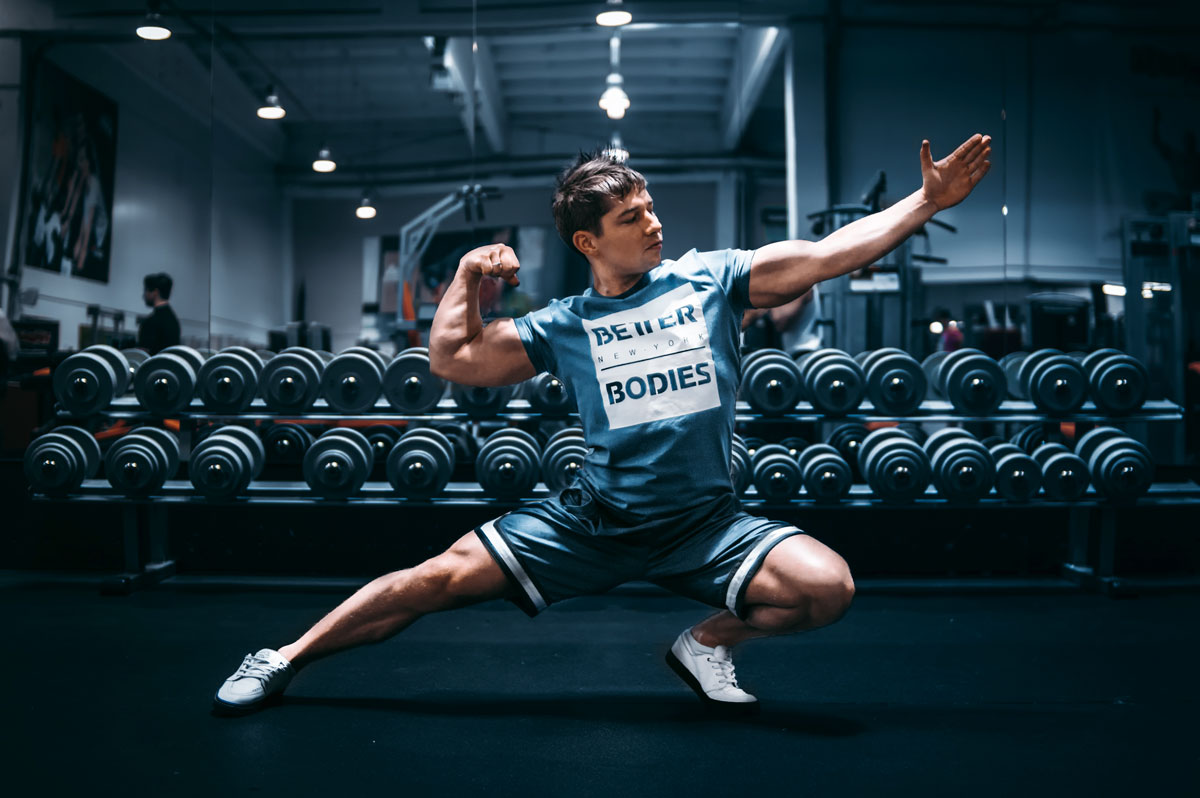
But with the right approach and a little know-how, you can maintain—or build—muscle as you make the switch. Whether you're an athlete, a regular at the gym, or simply looking to improve your health, this guide offers practical advice for going vegan without giving up the muscle you've worked for.

Understand Your Nutritional Needs
Before switching to a vegan diet, get familiar with what your body needs. If you're active, you need enough of the major nutrients—protein, carbohydrates, and fat—to support muscle growth. As you move toward plant-based eating, the goal is to keep meeting those needs with new food choices, not simply remove animal foods and hope for the best.
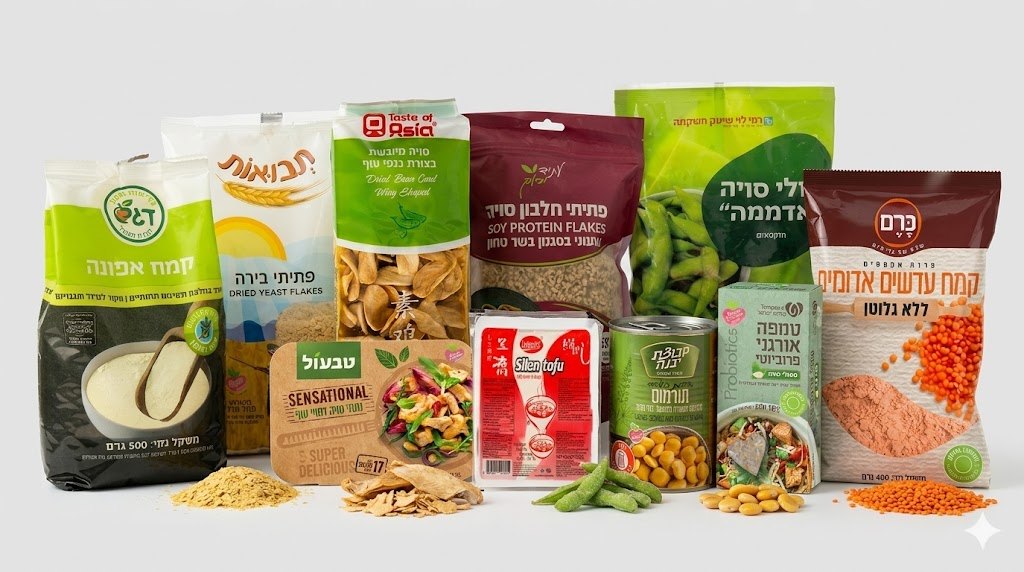
Protein is essential for muscle growth and repair, and you'll find it in plenty of vegan foods, including beans and lentils, tofu, tempeh, seitan, nuts, and seeds. Carbohydrate-rich foods such as whole grains, fruits, and vegetables provide energy to fuel your workouts. Healthy fats, including those in avocados, nuts, and seeds, support overall health and brain function.
Plan Your Meals
Meal planning is a big part of making a vegan diet work, especially when you're active. Planning ahead helps you get the nutrients you need to support your fitness goals. It also makes the transition easier: deciding what to eat is a lot simpler before you're hungry and staring into the refrigerator.
Start with whole plant foods: fruits, vegetables, whole grains, beans and lentils, nuts, and seeds. These foods provide nutrients and fiber that can help you feel full and satisfied throughout the day. Include a variety in your meals rather than relying on the same handful of foods. That variety helps you build a balanced, nourishing diet.
Think about meal timing, too. If you're active, eating more often during the day may help you get enough energy to fuel your workouts. Try smaller, more frequent meals if that works for your schedule and appetite. The aim is to stay fueled rather than let hunger and fatigue catch up with you.
Choose Your Protein Sources
Protein is essential for building and repairing muscle tissue, so make sure you're getting enough. Fortunately, a vegan diet gives you plenty of protein sources to work with. The key is to make them a regular part of your meals.
Lentils, chickpeas, and black beans are great sources of protein, and they fit easily into soups, stews, and salads. Tofu, tempeh, and seitan are also excellent options. Use them in stir-fries, sandwiches, and tacos to give your meals a protein-rich foundation.
Nuts and seeds contribute protein, too. Enjoy them as a snack or add them to salads, oatmeal, and smoothies. Almonds, cashews, walnuts, chia seeds, and hemp seeds are all options you can rotate into your routine.
Supplements to Consider
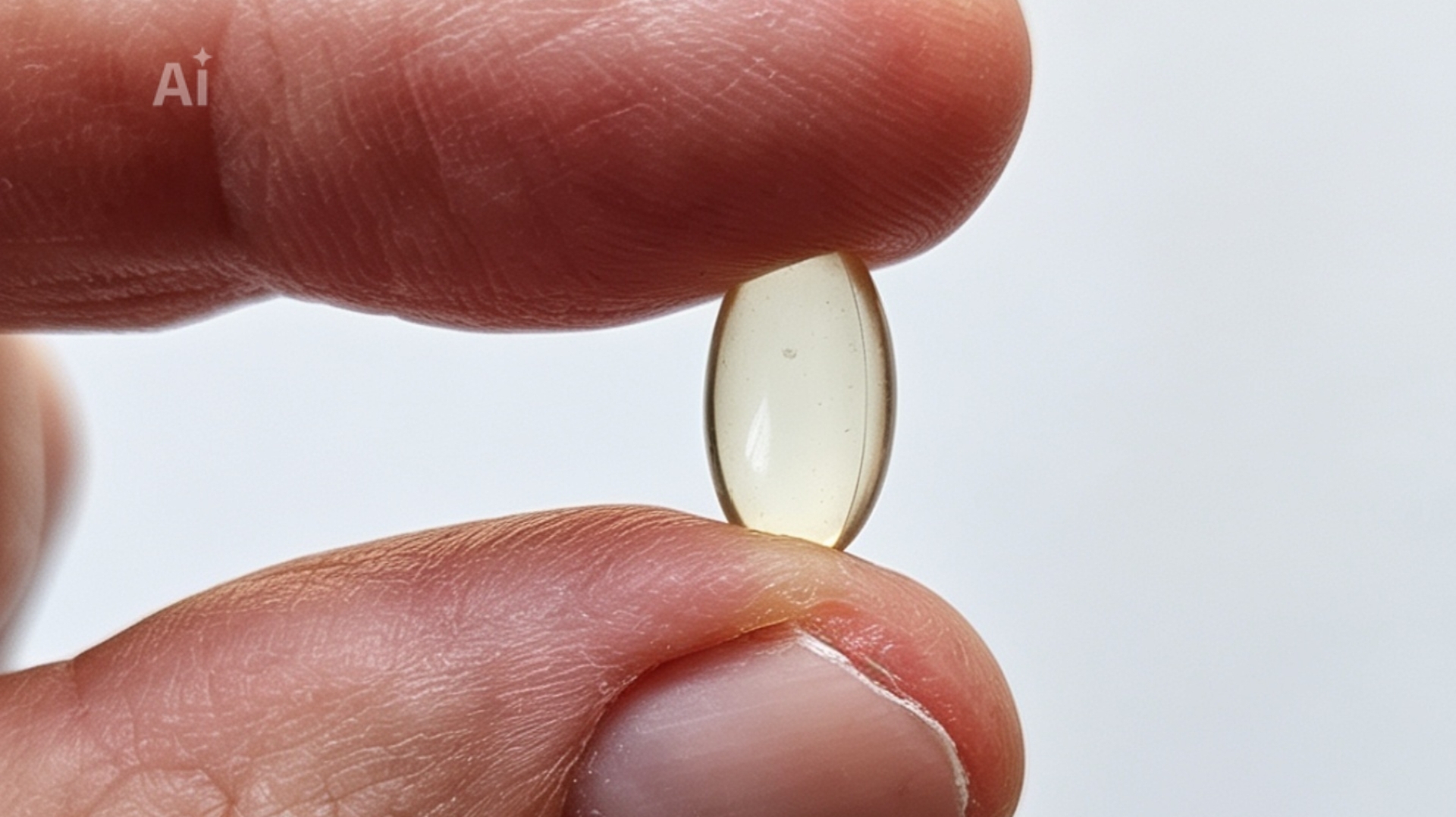
A well-planned vegan diet can cover your nutritional needs, but some nutrients require extra attention, including fortified foods or supplements. Vitamin B12, for example, occurs naturally mainly in animal foods. Make sure you have a reliable source of this essential nutrient rather than assuming your plant foods will cover it.
Other nutrients that may take more planning on a vegan diet include omega-3 fatty acids, iron, and zinc. Vegan supplements are widely available for nutrients you may need help getting enough of.

Make the Switch, Keep the Muscle
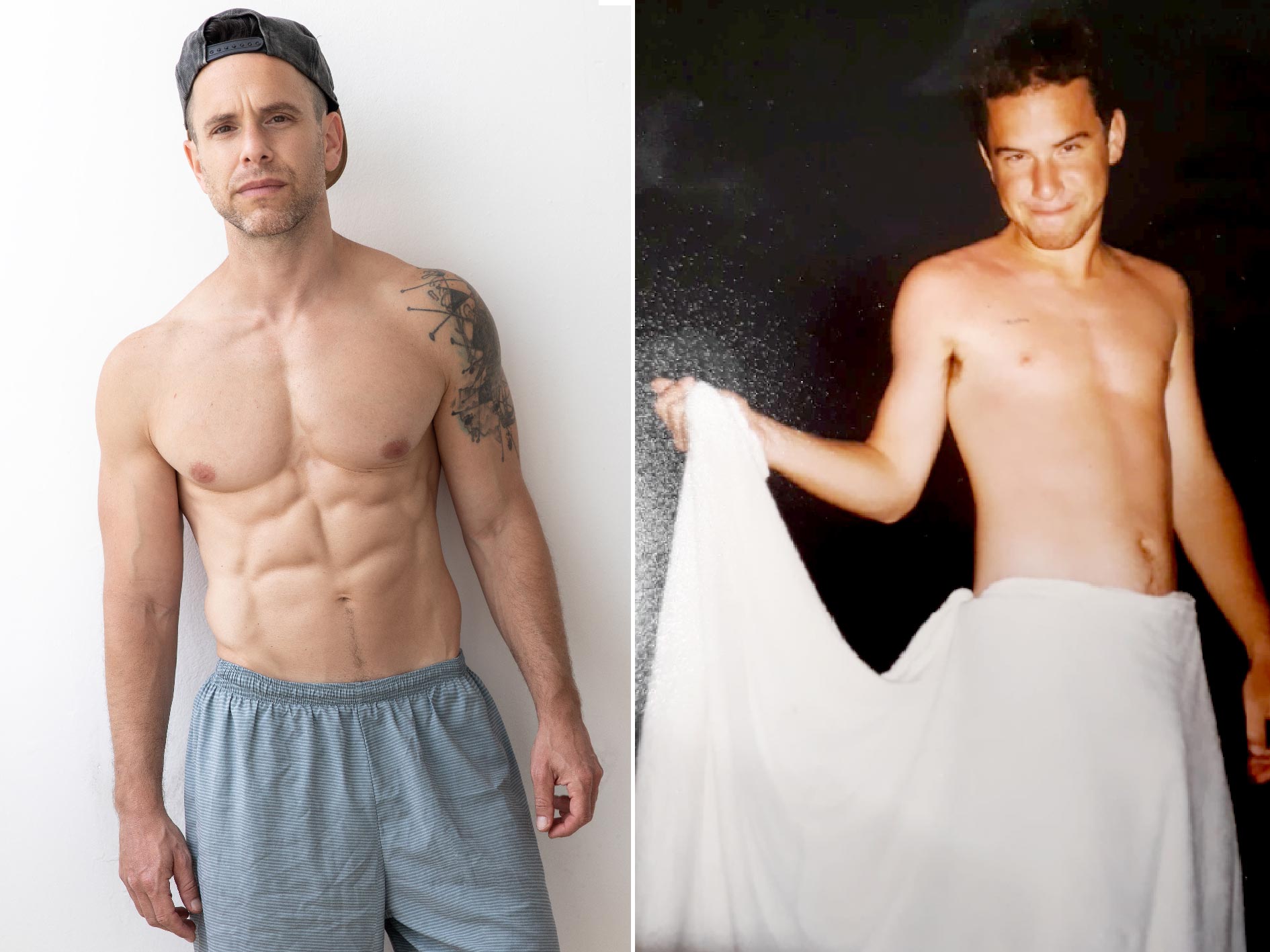
You can switch to a vegan diet while building or maintaining muscle. It takes planning and an understanding of your needs, but it's absolutely doable.
That's what I've focused on here: understanding your nutrition needs, planning meals that support your training, finding plant-based proteins you enjoy, and paying attention to nutrients that may call for supplements. Together, these steps can help you make a smoother transition without compromising your muscle goals.
When you take charge of your meals and choose your foods thoughtfully, vegan eating and progress in the gym can go hand in hand. You don't have to choose between your diet and your fitness.
You've got this!