Dried Fruit for Athletes: Fuel for Your Next Long Run
In partnership with Harduf (an Israeli organic food brand)
I love Tu BiShvat (the Jewish holiday celebrating trees) because it’s a celebration of fruit and nuts. Finally, a holiday—OK, OK, a tiny holiday—that’s entirely vegan.
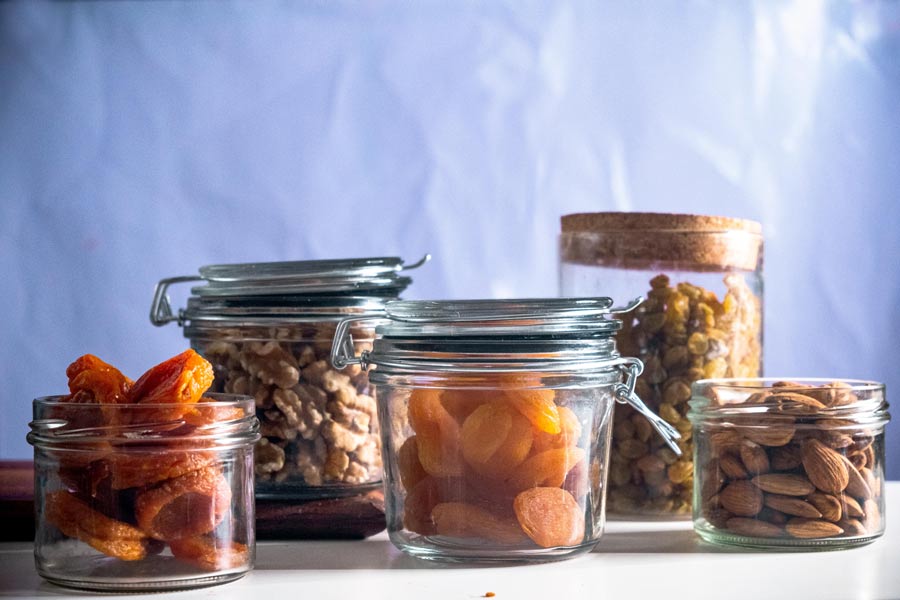
Unlike so many other holidays, this one puts a genuinely nourishing menu front and center, with nutrient-rich dried fruit and nuts getting their moment in the spotlight.
Drying fruit concentrates its fructose, the sugar naturally found in fruit. That concentrated sugar acts as a natural preservative, extending shelf life by making it harder for bacteria to thrive. Removing water also concentrates nutrients, making dried fruit a convenient energy and recovery snack that athletes can easily pack and store.
Dates are particularly rich in carbohydrates. Their glycemic index suggests that those carbs don’t necessarily send blood sugar soaring, making them a useful option for fueling a workout.
Dried bananas—not fried banana chips—provide plenty of carbohydrates and potassium with little fat. That makes them a nourishing, practical choice for active people.
Dates and dried bananas pack a lot of calories into a small package, which is exactly what endurance athletes often need. Keep that in mind the next time you’re heading out for a long run.
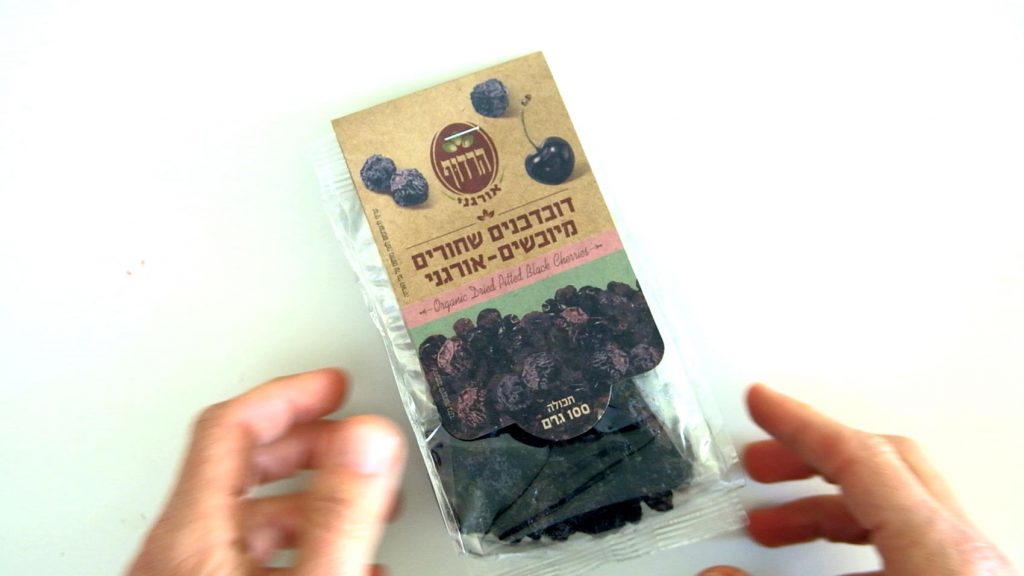
Other dried fruits, including cherries, papaya, and pineapple, also supply plenty of carbohydrates and other nutrients, so they can work well as energy snacks, too.
Raisins are high in sugar and relatively low in fiber, so consider how they sit with you before relying on them for a run. Blood sugar responses vary, and a food’s glycemic index alone won’t tell you whether it will leave you feeling energized or tired.
How Is Fruit Dried?
- Sun-drying – In very dry, low-humidity regions, such as the desert, many fruits and vegetables can be dried in the sun with less risk of spoilage or fermentation. This traditional way of preserving a harvest extends the fruit’s shelf life and helps retain nutrients. How long it keeps depends on the fruit, how thoroughly it’s dried, and how it’s stored.
- Dehydrating – Fruit can be dried in a dedicated dehydrator or a home oven. Low-temperature drying at no more than 40°C (104°F) uses warm air to remove moisture while helping preserve the fruit’s nutritional qualities and extend its shelf life.
- Frying – You’ll also find fried fruit mixed into the dried fruit lineup. Banana chips are a classic example. Sure, they taste good, but frying adds fat, so you lose the advantage of a naturally low-fat snack. For everyday workout fuel, I’d skip the fried versions.
- Preservatives– Many dried fruits are treated with preservatives, especially sulfur dioxide, labeled E220. It helps preserve the fruit and prevents browning, keeping the color bright. Sulfur dioxide can cause breathing problems in people who are sensitive to it, so check the label and avoid it if you’re susceptible.
Why Dried Fruit Deserves a Place in Your Training Bag
Dried fruit is a welcome addition for athletes—and for anyone who wants an inexpensive, portable energy snack that actually tastes good. Its carbohydrates can also help replenish energy after a demanding workout, alongside the nutrients the fruit provides.
When shopping, keep an eye out for unusually bright colors, which can indicate preservatives that prevent natural browning. Check the ingredient list, and choose dried fruit without added sugar. Sweeteners may also show up under names such as silan (date syrup), apple juice, or honey.
Remember that dried fruit packs plenty of calories into a small serving, so snack with your energy needs in mind.
Happy birthday, trees!