One of the biggest myths in sports nutrition is that eating plenty of protein has to be expensive. Switch to a plant-based diet, and that myth gets even louder, thanks to all the “premium” products taking center stage on store shelves.
The truth? The best protein bargains—the foods that give you the most grams of protein per shekel (Israel's currency)—are often tucked away in the less glamorous supermarket aisles. Here are 20 winning options, including a few that come to the rescue when cooking just isn't happening.
The Best Bargains: More Protein for Less Money
These are the backbone of a budget-savvy athlete's kitchen. Dry pantry staples last a long time and pack an impressive amount of protein.
- Dried soy crumbles (58 g (2.0 oz) protein per 100 g (3.5 oz)): The undisputed champion. Measured by cost per gram of protein, these are the cheapest option in Israel. Perfect for Bolognese, veggie patties, and fillings.
- Yuba (41 g protein per 100 g (3.5 oz)): Dried tofu skin, sold as wing-shaped pieces or sticks. It's packed with protein and has a satisfyingly meaty texture that's great in stir-fries.
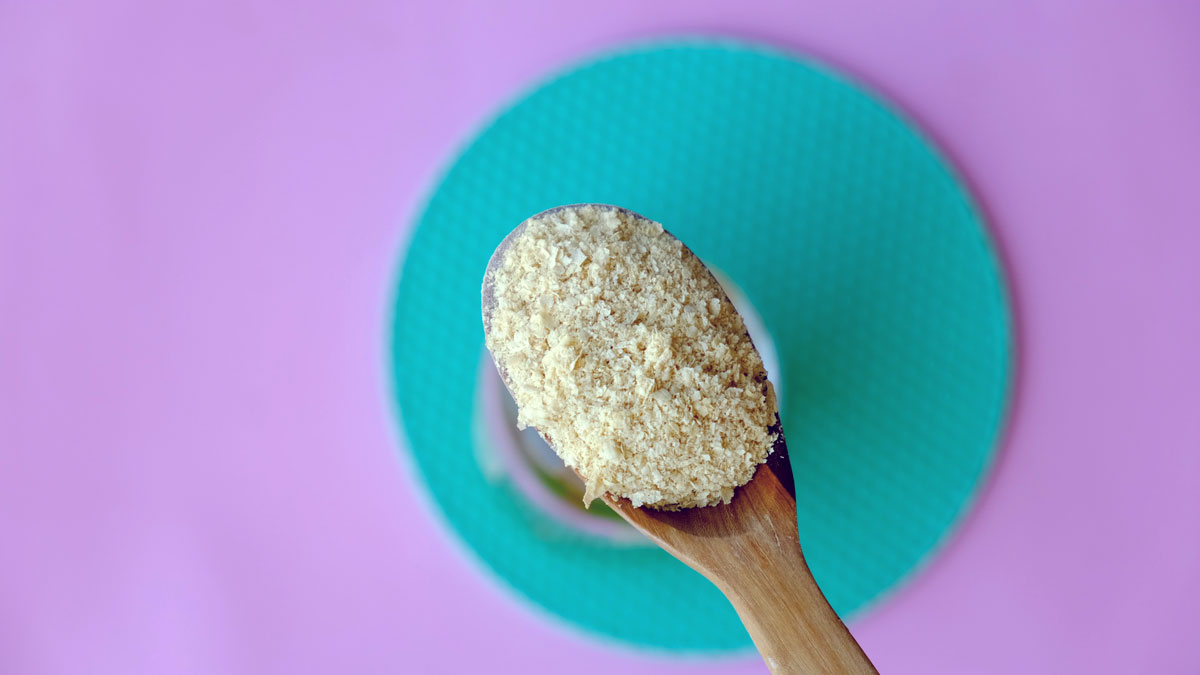
- Nutritional yeast (50 g (1.8 oz) protein per 100 g (3.5 oz)): More than a Parmesan-like seasoning, it's a powerhouse of protein and B vitamins. A tablespoon sprinkled over pasta easily adds a few more grams.
- Red lentil flour (24 g protein per 100 g (3.5 oz)): A great alternative to all-purpose flour in savory bakes or pancakes.
- Pea flour (22 g protein per 100 g (3.5 oz)): Rich in fiber and protein, and an excellent base for vegan omelets.
From the Fridge and Freezer: Quick Everyday Options
When you need a meal in 5 minutes, these are the foods you want on hand:
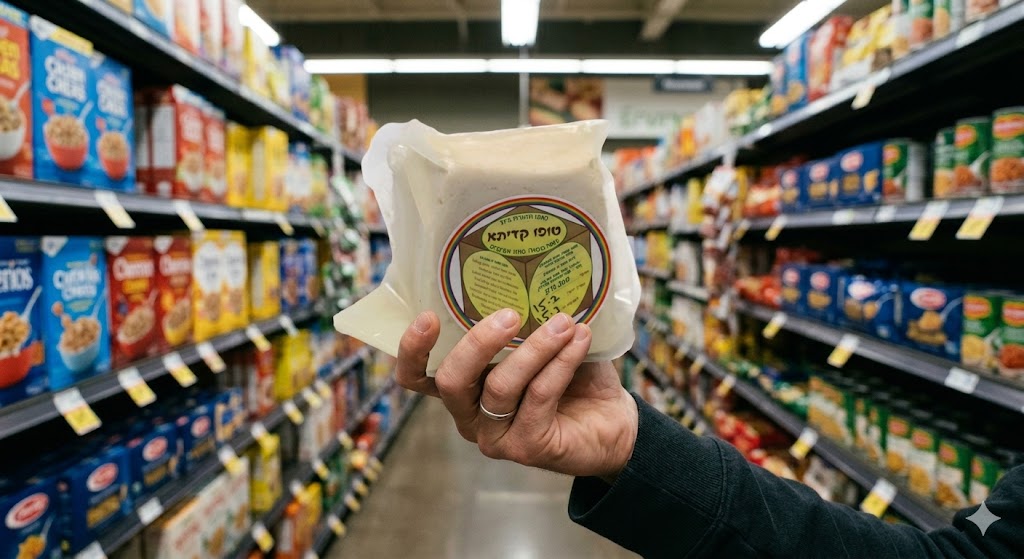
- Plain tofu: The kitchen MVP. Firm tofu provides about 15–17 g protein per 100 g (3.5 oz). It's inexpensive, versatile, and ready to soak up whatever flavors you throw at it.
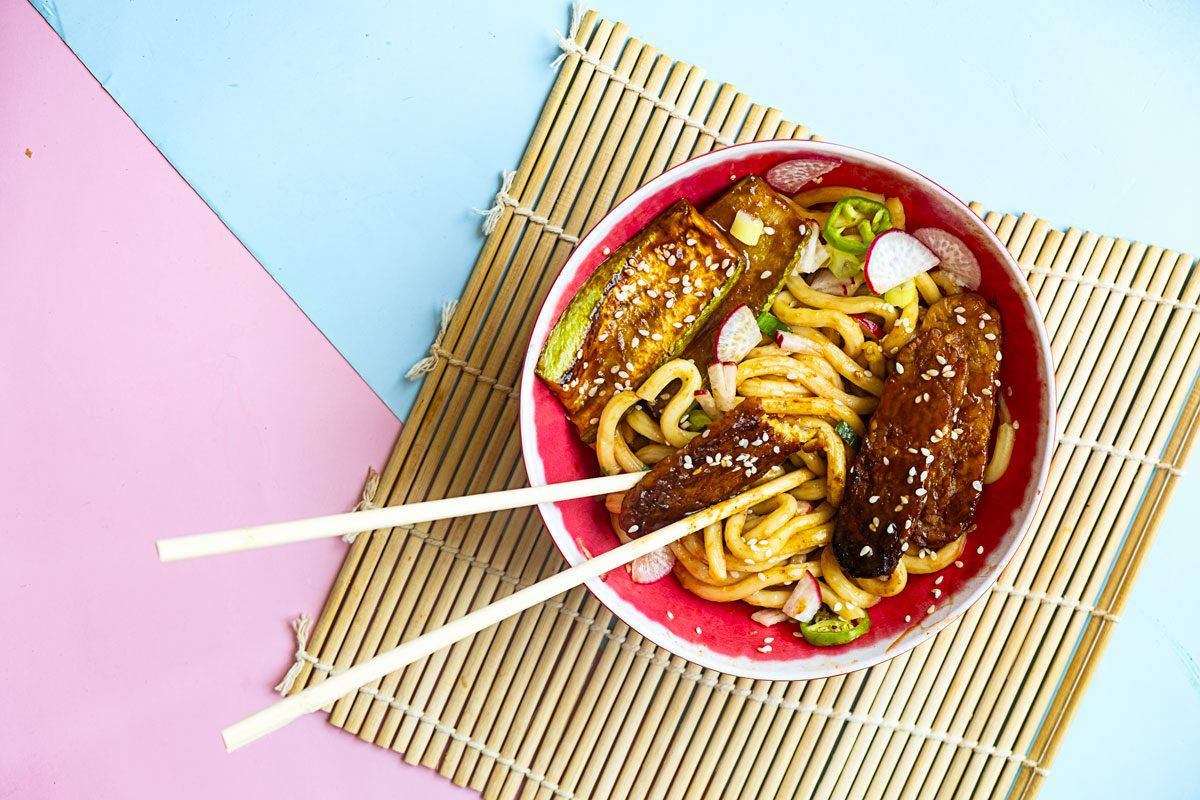
- Tempeh (19 g protein per 100 g (3.5 oz)): A fermented source of complete protein. It's digestion-friendly, with protein that's readily available for your body to use.
- Plant-based chicken breast or grilled chicken-style pieces (14–21 g protein per 100 g (3.5 oz)): Products such as those from Tivall (an Israeli meat-alternative brand) or the Sensational line are ideal for busy days. They offer plenty of protein relative to their calories.
- Edamame (11 g protein per 100 g (3.5 oz)): The ultimate TV snack. You get both protein and fiber to help keep you full.
- Silken tofu (6 g protein per 100 g (3.5 oz)): Although it's less concentrated in protein, it's also very low in calories and makes a perfect base for smoothies or creamy sauces.
Beans and Grains: Carbs That Bring Protein, Too
Don't write these off as just side dishes. They count toward your daily protein intake, too.
- Lupini beans (13 g protein per 100 g (3.5 oz)): A protein-rich legume that's relatively low in carbohydrates compared with other beans.
- Black or green lentils: An excellent base for filling salads.
- Cooked or canned chickpeas: Easy to find, inexpensive, and right at home in all kinds of stews.
- White or red beans: An excellent source of protein and iron.
- Chunk Foods (22 g protein per 100 g (3.5 oz)): An impressive Israeli plant-based meat company offering products with a short, straightforward ingredient list and plenty of protein and iron.
- Oats: About 13 g protein per 100 g (3.5 oz). A solid foundation for a breakfast that keeps you full.
- Pumpkin seeds: A small handful tossed into a salad adds a substantial boost of protein and healthy fats.
- Quinoa: A quick-cooking source of complete protein.
- Natural peanut butter: A handy way to add calories and protein—in moderation.
- Spelt or whole-wheat pasta: An easy swap for regular white pasta that adds more protein to each serving.
Pro Tip: Read the Labels
The numbers here are averages. Always take a quick look at the nutrition label on the back of the package. Sometimes a price difference of just 1 shekel comes with a difference of 5 g protein per serving. Over time, that adds up.
Want a Printable List for Your Fridge?
We've put together a clean, printer-friendly version of this list. Download it, print it, and stick it on the fridge so you won't forget anything on your next grocery run. Leave your email, and we'll send the file straight to your inbox. Get the free download »
Want to know exactly how these foods fit into your daily meals? Use our protein calculator to plan a day that works for you, or head back to the complete guide to daily protein intake.