In the fitness culture of 2026, it seems like the only way to build muscle mass is through industrial shakes and processed protein bars. For the modern athlete, who is interested not only in performance but also in long-term health and clean food, relying on isolated supplements can feel limiting.
The promising news is that you can reach exceptionally high protein goals (hypertrophy) while relying on whole foods and minimalist ingredients. The key is not found in "magic," but in implementing three ironclad principles that change the way we build our plate.
1. The Maximum Density Principle: Protein "Bombs" from the Pantry
The main barrier in a plant-based diet is food volume. Cooked legumes are wonderful, but they contain a high percentage of water and carbohydrates. To reach 150 g (5.3 oz) of protein and above without feeling bloated, we must use dry and concentrated sources:
- Dry Soy Flakes (58 g (2.0 oz) protein per 100 g (3.5 oz)): This is the most concentrated source currently available in the home kitchen. Its decisive advantage is versatility; after a short soak in water, it absorbs any flavor and serves as a base for clean protein without unnecessary additives.
- Yuba (41g protein per 100 g (3.5 oz)): Dried bean curd skin provides a protein concentration nearly double that of beef. It allows for the creation of "meaty" dishes rich in complete protein with minimum eating volume.
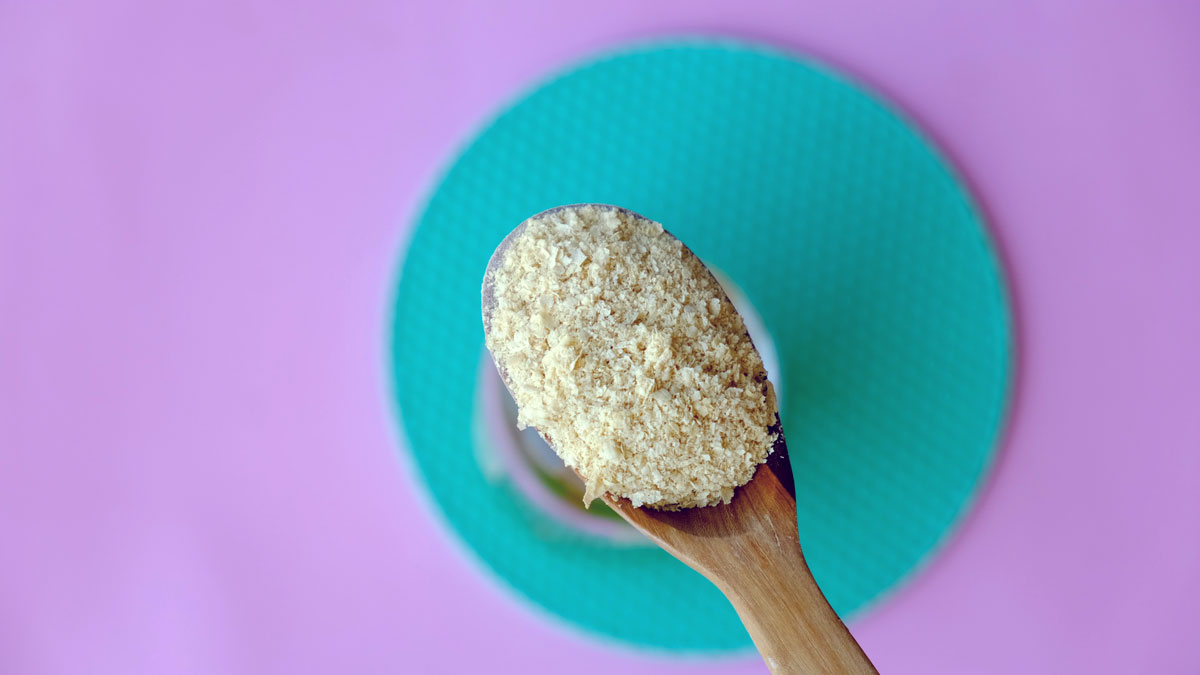
- Nutritional Yeast (50 g (1.8 oz) protein per 100 g (3.5 oz)): Unlike protein powders, nutritional yeast comes with a "bonus" of dietary fiber and B vitamins. Integrating them as a daily seasoning is an easy strategy to raise your protein balance without increasing meal volume.
2. The Swapping Strategy: Upgrading Carbs to Protein
A common mistake is treating protein as a separate component on the plate (e.g., "rice and tofu"). The winning strategy is to embed the protein within the carbohydrate itself.
- Legume Flours instead of Wheat Flour: Using red lentil flour (24g protein) or pea flour (22g protein) as a base for quiches, crepes, or as thickeners for sauces, completely changes the macro ratio of the dish.
- The Legume as a Strategic Tool: When choosing legumes, it is better to prioritize those with an optimal protein-to-carb ratio. Lupini beans (13g protein per 100 g (3.5 oz)) are an excellent example of a relatively "lean" legume that serves the athlete better than more starchy legumes.
3. Clean Bio-Technology: Fermentation and Minimal Processing
In recent years, products using technology to make high-quality protein accessible without an endless list of ingredients have entered the Israeli market.
- The Power of Fermentation: Products like Tempeh (19g protein) offer fermented protein, which significantly improves the bioavailability of amino acids and makes it easier on the digestive system.
- Chunk Food (22g protein): A solution based on a short list of ingredients and clean fermentation processing, providing a meaty experience with the values of a professional athlete.
- Clean Protein on the Go: "Plant-based chicken breast" products containing only about 6 ingredients and providing 21g of protein per 100 g (3.5 oz) are proof that you can consume convenient food without compromising on ingredient quality.
4. The Protein Math: What Does It Look Like in Practice?
To calculate your personal goal, you can use the simple formula:
Daily Protein (g) = Body Weight (kg) × Ratio (1.6–2.2)
Example of a supplement-free meal plan: A combination of 100 g (3.5 oz) soy flakes (dry weight), 2 tablespoons of nutritional yeast, and half a bag of edamame (11g protein per 100 g (3.5 oz)), together provide over 70 g (2.5 oz) of protein in a single meal — more than two average servings of protein powder.
Summary: Whole Food as a Competitive Advantage
The ability to reach protein goals without processed supplements is not just a health choice; it is a competitive advantage. Foods like silken tofu (a base for shakes and sauces), clean "grilled" strips, and accessible lupini beans provide the body with its building blocks in the most natural and efficient way.
Want all the numbers right in front of you?
We have prepared a comprehensive checklist for you that centralizes all the protein data per 100 g (3.5 oz) of the leading clean products in the Israeli market, so you can plan your menu accurately and professionally.