How to Carb Load—and Why It Matters
Haggai Leffler — The Vegan Athlete
The Tel Aviv Marathon (in Israel's coastal city of Tel Aviv) is coming up. If you've caught the running bug, there's probably another hot topic on your mind: nutrition.
What should I eat beforehand?
Do I need to eat during the race, too?
What exactly is carb loading?
And do I need to do it?
What should I eat after putting my body through such an intense effort?
Could being vegan hurt my running performance?
Suddenly, the questions just keep coming.
In this series of three short articles leading up to the marathon, we'll sort through the confusion and explore how to fuel for the task ahead.
This first article focuses on eating before the race, including the practice commonly known as "carb loading."
What Is Carb Loading?
The goal of carb loading is simple: arrive at the starting line with your body's energy stores fully stocked.
Those energy stores directly affect performance, especially over a half marathon or full marathon. During the carb-loading phase, we'll also cut back on foods high in fiber, fat, and protein, since they can cause digestive trouble while running. The priority is making room for carbohydrates, which replenish the body's glycogen stores.
Before adjusting your diet, consider which distance you're preparing for: 5 km (3.1 miles), 10 km (6.2 miles), a half marathon, or a full marathon.
The longer the race, the earlier the preparation starts.
For the full marathon, dietary adjustments begin two days before the race—Wednesday morning for this Friday event.
Half-marathon runners can start Thursday morning. If you're running the 10K, you can stick with your usual diet until the evening before the race. For the 5K, there's no need for specific dietary adjustments; your normal eating routine will do.
As mentioned, the menu will emphasize lower-fiber carbohydrates, with fewer high-fiber fruits and vegetables and smaller amounts of fat and protein. You'll also want to pay attention to fluids and salt ahead of the race, since you'll lose both while running.

What Does a Sample Menu Look Like?
Here's a sample menu for a marathon runner weighing about 70 kg (154 lb):
Wednesday:
Breakfast: 1 cup oats + 1 banana + 10 walnuts + 100 ml (about ⅓ cup plus 1 tablespoon) plant-based milk (soy, nut, or rice milk) + 1 tablespoon cacao nibs.
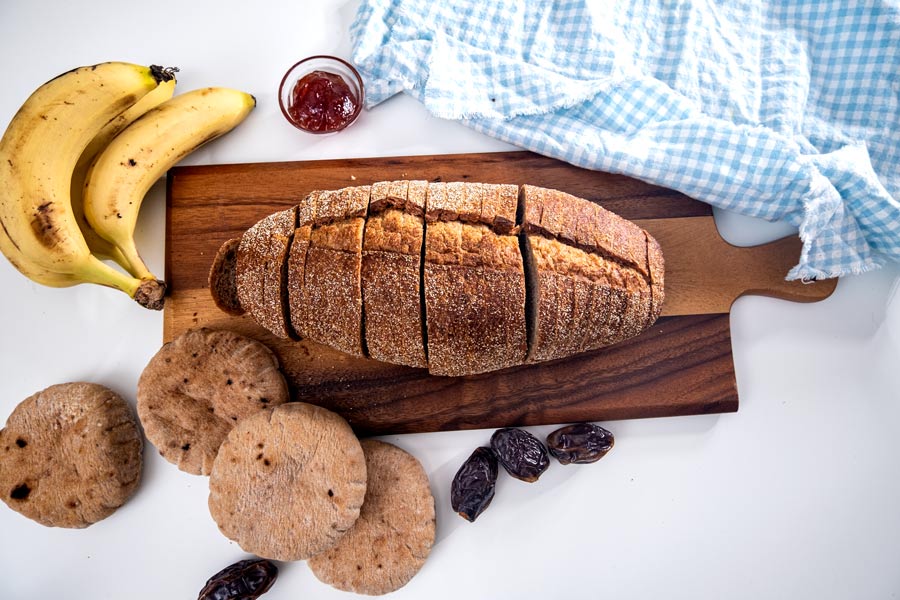
Snack: 2 slices white bread + nut butter (almond, peanut, or hazelnut) + 1 banana + 1 cup freshly squeezed juice, preferably beet juice.
Lunch: A large plate of white basmati rice (about 2 cups) + a small serving of lentils or beans (½ cup) + ½ a sweet potato or potato, peeled + a small bowl of clear soup, such as miso soup or clear vegetable broth.
Snack: 2 dates + 5 walnuts + 1 cup freshly squeezed juice.
Dinner: A large plate of pasta with homemade tomato sauce + a little nutritional yeast or grated tofu on top + a slice of banana cake for dessert.
Thursday:
Breakfast: A white bread roll + 1 tablespoon peanut butter + 1 banana + freshly squeezed juice, preferably beet juice.
Snack: A white bread roll + 1 tablespoon nut butter or plain tahini + 1 banana.
Lunch: A large plate of white basmati rice (about 2 cups) + a small serving of lentils, beans, or tofu + ½ a sweet potato or potato, peeled + a small bowl of clear soup, such as miso soup or clear vegetable broth.
Snack: 2 dates + 5 walnuts + 1 cup freshly squeezed juice.
Dinner: A large plate of pasta—250 g (8.8 oz) before cooking—with homemade tomato sauce + a little nutritional yeast or grated tofu on top + a slice of banana cake for dessert.
Friday Morning (Race Morning):
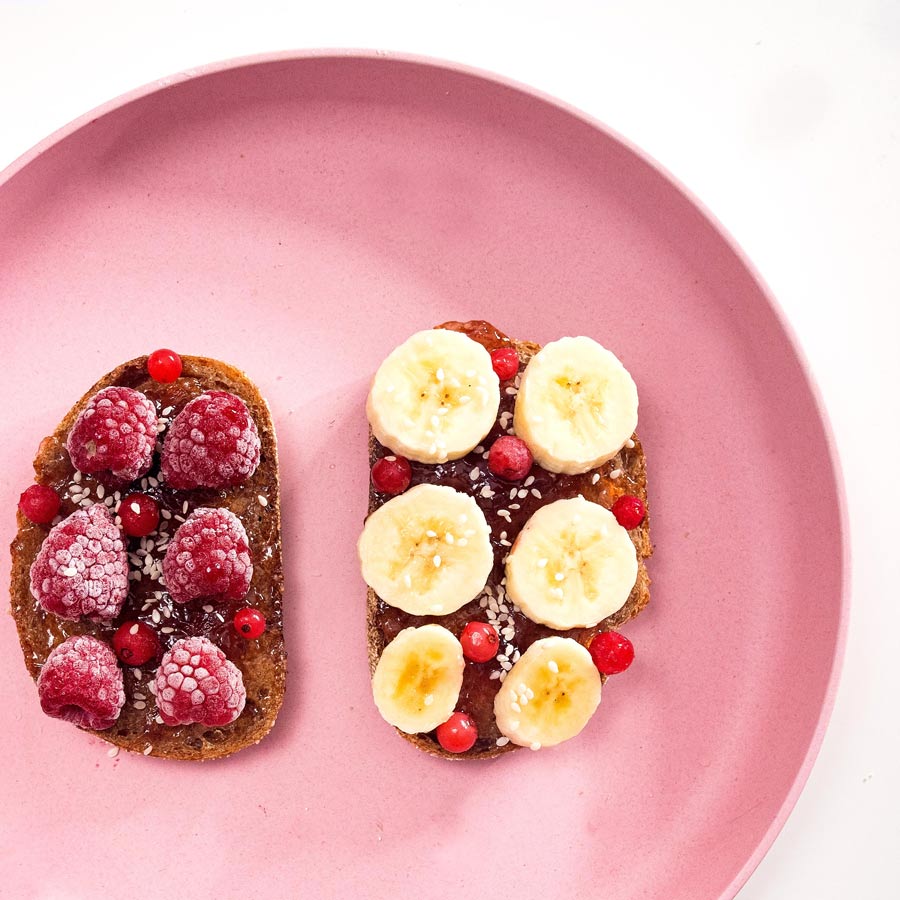
Breakfast: A white bread roll + a little peanut butter and jam, at least 1 hour before the start + black coffee or espresso about 30 minutes before the start.
A few things to keep in mind about this menu:
- This is a sample menu, not a prescription. Adjust it based on what you know about your body and what agrees with you.
- The full menu is for marathon runners. Half-marathon runners can pick it up Thursday morning, while 10K runners can start Thursday afternoon or evening. On race morning, 10K runners may find that 2 dates, a banana, or a slice of bread with silan (date syrup) about 30 minutes before the start is enough.
- Keep the goal in mind: get to the starting line with full energy stores and avoid digestive discomfort during the race.
- Most important, don't try a new food right before a race. You don't know how your body will react, and this is not the moment for unpleasant surprises. Practice your food choices and fueling routine during training, including carb loading before long runs.
- Enjoy this carb festival—it doesn't happen every day. Make food you love, and share it with people you love.
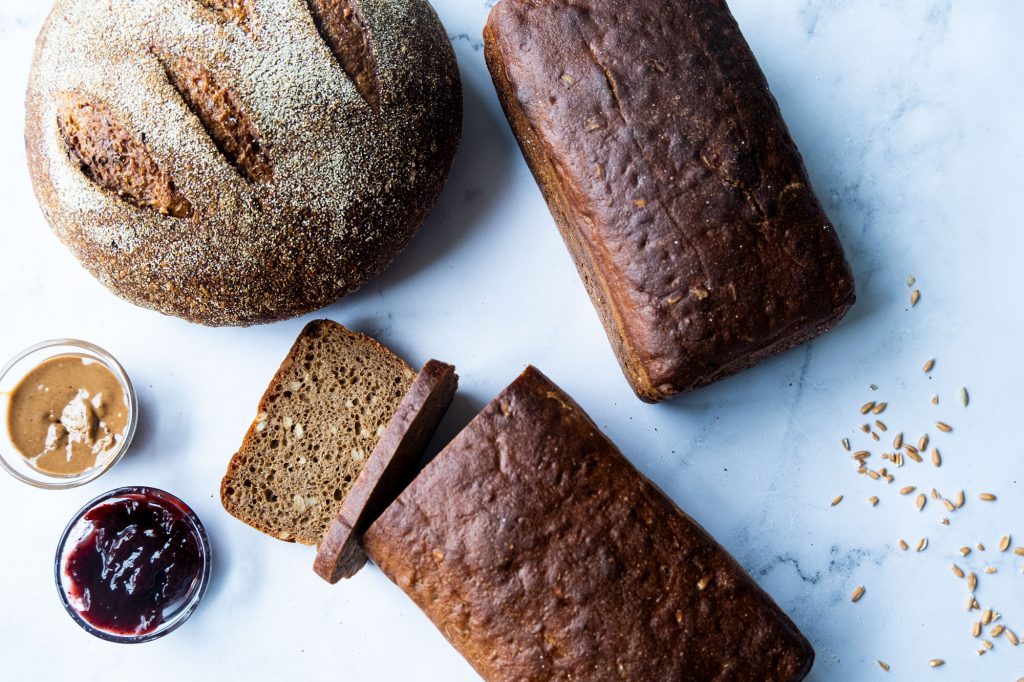
One last reminder: being vegan doesn't have to hold you back as an endurance athlete. Research in recent years has even suggested potential benefits. We're also seeing more elite endurance athletes choose a vegan diet and report that it works well for their bodies. As vegans, we often pay close attention to what we eat, and that awareness can make a real difference when we're asking our bodies to handle demanding aerobic exercise.
In the next article, we'll talk about fueling during the race.
Who needs it? What should you eat, and how much? Are gels and sports drinks a must?
Until then, go give those carbs a little love. :)
Want another sample vegan meal plan? Head here.
Vegan coaches, nutritionists, and physical therapists interested in contributing to The Vegan Athlete are welcome to send article pitches to lefflerpro@gmail.com.