The rice and beans protein myth is the idea that plant proteins must be combined in the exact same meal to become useful. They do not. The body digests dietary protein into amino acids and draws on a circulating and tissue amino acid pool. If you eat enough total protein and a varied diet across the day, every plate does not need a perfectly matched amino acid profile.
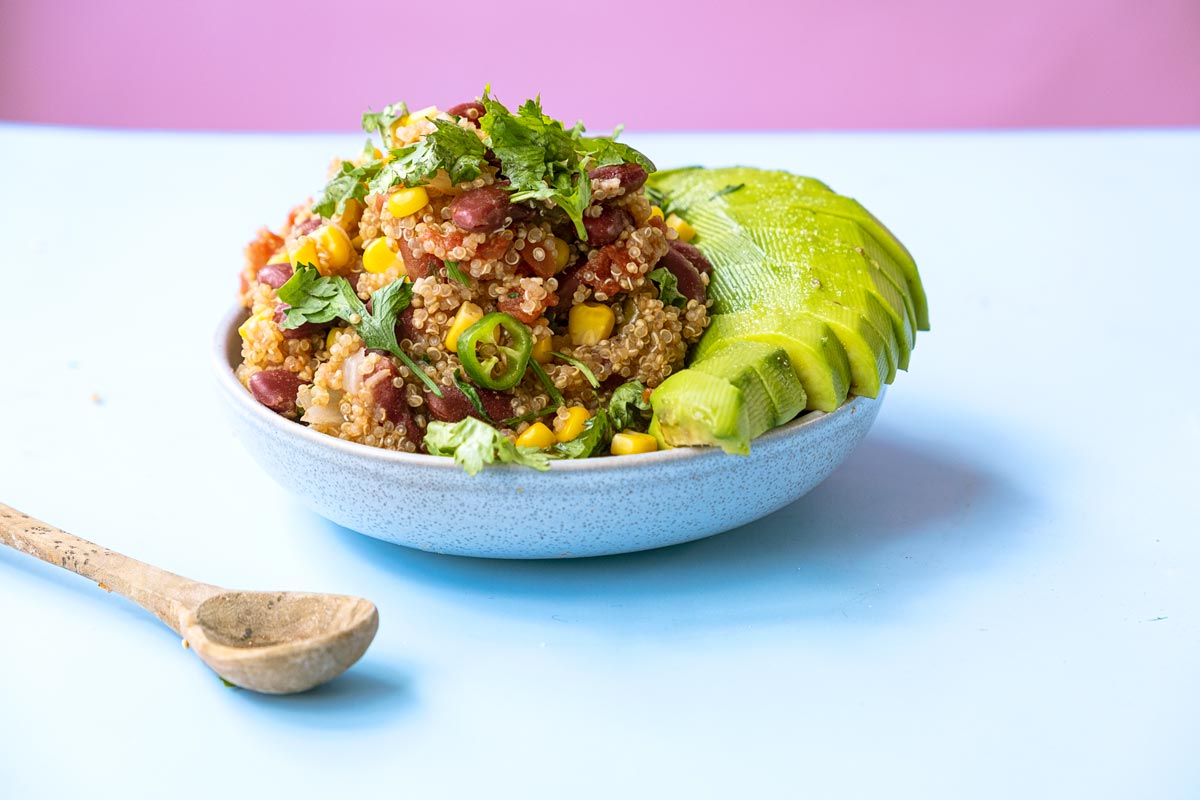
Rice and beans are still an excellent combination: they are affordable, satisfying, and their amino acid patterns complement each other. The myth is the claim that eating them separately makes their protein worthless.
Where did the rice and beans protein myth come from?
Plant foods differ in their proportions of essential amino acids. Legumes tend to be relatively lower in methionine, while grains tend to be relatively lower in lysine. Older nutrition advice turned this real observation into an unnecessarily rigid rule: match complementary proteins at every meal.
Human metabolism is more flexible. Amino acids released from breakfast do not disappear the moment lunch begins. The body continually recycles protein and exchanges amino acids between the bloodstream and tissues. Variety over the day can cover different amino acid needs without food pairing becoming a puzzle.
What “complete protein” actually means
A complete protein contains all nine essential amino acids. Most plant foods contain all nine; the distinction is usually that one or more are present in a lower proportion, not completely absent.
Protein quality also depends on digestibility and the amount eaten. Calling one food “incomplete” can obscure the practical issue: athletes need enough protein, enough essential amino acids, and enough total food to support training.
Do athletes need to combine plant proteins at each meal?
No. Athletes should focus on four priorities:
- Total daily protein: approximately 1.4–2.0 g/kg/day is a common evidence-based range for exercising adults.
- Protein distribution: include a meaningful protein source in several meals across the day.
- Protein quality and dose: larger or more concentrated servings can compensate for the lower digestibility or leucine content of some plant foods.
- Dietary variety: rotate legumes, soy foods, grains, nuts, seeds, and concentrated plant proteins.
Calculate a useful starting target with the Protein Intake Calculator, then use the Plate Builder to distribute it across real meals.
Rice and beans are good—just not mandatory together
| Food | Relative strength | Relative limitation |
|---|---|---|
| Beans and lentils | Lysine | Methionine |
| Rice and other grains | Methionine | Lysine |
| Soy foods | Broad essential-amino-acid profile | Serving size still matters |
Eat rice with beans because the meal works for you—not because your muscles stop recognizing beans at midnight.
Higher-yield protein sources for vegan athletes
- Tempeh: a fermented whole-soy food with roughly 20 g protein per 100 g (3.5 oz) in typical plain products.
- TVP: dehydrated soy protein that is easy to add to chili, pasta sauce, tacos, and meal prep.
- Seitan: concentrated wheat protein; useful for high-protein meals, but unsuitable for people with celiac disease or gluten intolerance.
- Tofu and edamame: versatile soy foods with a strong essential-amino-acid profile.
- Pea and rice protein powder: convenient when food is not practical; read the full guide to pea and rice protein for vegan athletes.
- Lentils and beans: valuable protein, carbohydrate, fiber, iron, and potassium in one food.
A practical day without deliberate protein combining
- Breakfast: oats with fortified soy milk, berries, and seeds.
- Lunch: a tempeh bowl with potatoes and vegetables.
- Snack: high-protein soy yogurt or a plant-protein shake.
- Dinner: lentil pasta with tomato sauce and roasted vegetables.
These meals naturally contribute different amino acids. No chart is required at the table. What matters is that the day's energy and protein intake match your body size, training load, and goal.
When should you pay closer attention?
More planning is helpful when calories are very low, appetite is poor, food variety is narrow, or protein needs are unusually high. Older athletes may also benefit from larger high-quality protein servings because the muscle-building response to a small dose can be lower with age.
If your diet excludes many food groups or you have a medical condition affecting digestion or metabolism, get individualized advice from a qualified healthcare professional.
Frequently asked questions
Do rice and beans make a complete protein?
Together they provide complementary amino acid patterns. They do not have to be eaten simultaneously for the body to use their amino acids.
How long does the body store amino acids?
The body has a dynamic amino acid pool rather than a dedicated storage tank. Amino acids are continually absorbed, used, released, and recycled. This is why varied intake across the day is more relevant than exact meal pairing.
Are plant proteins inferior for muscle growth?
Not inherently. Some plant proteins are less digestible or lower in one essential amino acid, but athletes can address that with adequate portions, variety, concentrated sources, and sufficient total daily protein.