Pea and rice protein powder combines two complementary plant proteins: pea protein is relatively rich in lysine but lower in methionine, while rice protein supplies more methionine but less lysine. A well-formulated blend can provide all nine essential amino acids and enough leucine to support muscle protein synthesis—provided the serving delivers enough total high-quality protein.
I have been vegan since 2011, and I coach strength and endurance athletes. My practical view is simple: a pea + rice protein blend is useful when food alone does not conveniently cover your daily protein target. It is a tool, not a requirement and not a substitute for a varied diet.
Why combine pea and rice protein powder?
Every dietary protein contains amino acids, but their proportions differ. The amino acid present in the lowest proportion relative to human needs is often called the limiting amino acid. Combining sources with different limiting amino acids can improve the overall pattern.
- Pea protein: generally supplies substantial lysine and branched-chain amino acids, but sulfur-containing amino acids such as methionine are relatively lower.
- Rice protein isolate: is relatively stronger in methionine, while lysine is its main limitation.
- The blend: brings those profiles together. The result can be more balanced than either ingredient alone.
This does not mean a precise ratio is magically “complete.” Formulas differ, and the useful questions are the amino acid profile, grams of protein per serving, leucine content, digestibility, and whether you consistently reach your daily target.
Can a pea + rice protein blend build as much muscle as whey?
Whey is highly digestible and naturally rich in leucine, so it remains a strong reference protein in sports nutrition. Plant proteins can still support hypertrophy when the dose supplies adequate essential amino acids and total daily protein is sufficient.
A randomized resistance-training study found that a high-dose rice protein supplement produced similar changes in body composition and exercise performance to whey over eight weeks. That does not prove every rice or pea-rice product is identical to whey: the study used a large protein dose, and individual products vary. The more defensible conclusion is that well-dosed plant protein can support comparable training adaptations.
For most exercising adults, the International Society of Sports Nutrition recommends approximately 1.4–2.0 g of protein per kilogram of body weight per day. People dieting aggressively while resistance training may benefit from the higher end or, in some cases, more. Use the Protein Intake Calculator to estimate a practical target.
Leucine, hypertrophy, and serving size
Leucine is one signal involved in switching on muscle protein synthesis, but it does not work alone. The body also needs the full set of essential amino acids and enough energy to build new tissue.
A practical serving of plant protein is often 25–40 g of protein, depending on body size, age, the product's amino acid profile, and the protein in the rest of the meal. Instead of choosing a powder by scoop weight, check the actual grams of protein and the complete label.
- Aim for a serving that makes a meaningful contribution to your daily target.
- Spread protein across three to five eating occasions rather than relying on one very large shake.
- Pair the shake with carbohydrate after long or demanding sessions when replenishing glycogen is also a priority.
- Use a third-party-tested product when sport certification or contamination risk matters.
Pea and rice protein powder for runners
Endurance athletes do not need protein powder during every run. The blend is most useful after a long run, between closely spaced sessions, or when appetite is low and a full meal is not practical. Add fruit or oats when carbohydrate recovery is the bigger need; mix with water or unsweetened soy milk when calories need to stay lower.
Protein supports repair, but it cannot compensate for under-fueling. Runners still need adequate carbohydrate, total calories, sleep, and progressive training.
How to choose rice protein isolate or a blended powder
| Check | What to look for |
|---|---|
| Protein per serving | Usually at least 20–25 g for a post-training shake |
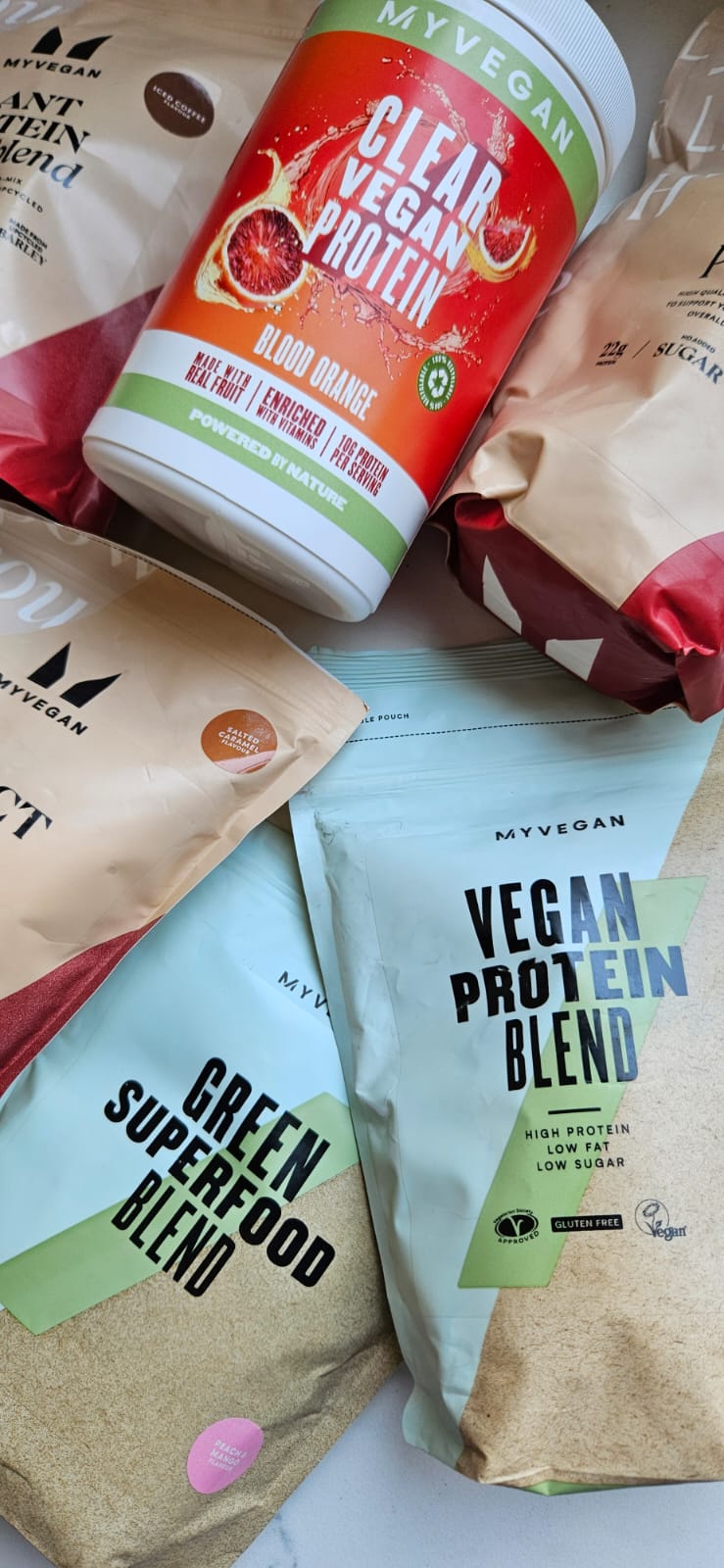
| Ingredient list | Pea protein plus brown-rice protein or rice protein isolate near the top |
| Amino acid information | Leucine and essential-amino-acid values when the manufacturer publishes them |
| Added sugar | Match it to your calorie and training needs |
| Testing | Independent sport certification when relevant |
| Tolerance | A formula you digest comfortably and will use consistently |
Rice protein isolate is processed to concentrate protein and remove much of the starch. It can be useful by itself for people who tolerate it well, but a blended formula usually offers a more balanced amino acid pattern.
Pea, rice, or soy protein: which should you choose?
Soy isolate is another high-quality option with a strong essential-amino-acid profile. Choose soy if you enjoy it and tolerate it. Choose pea and rice when you want a soy-free formula or prefer its flavor and texture. The best powder is the one that fits your diet, digestion, budget, and training target—not the one with the loudest front label.
Put the protein into a complete meal
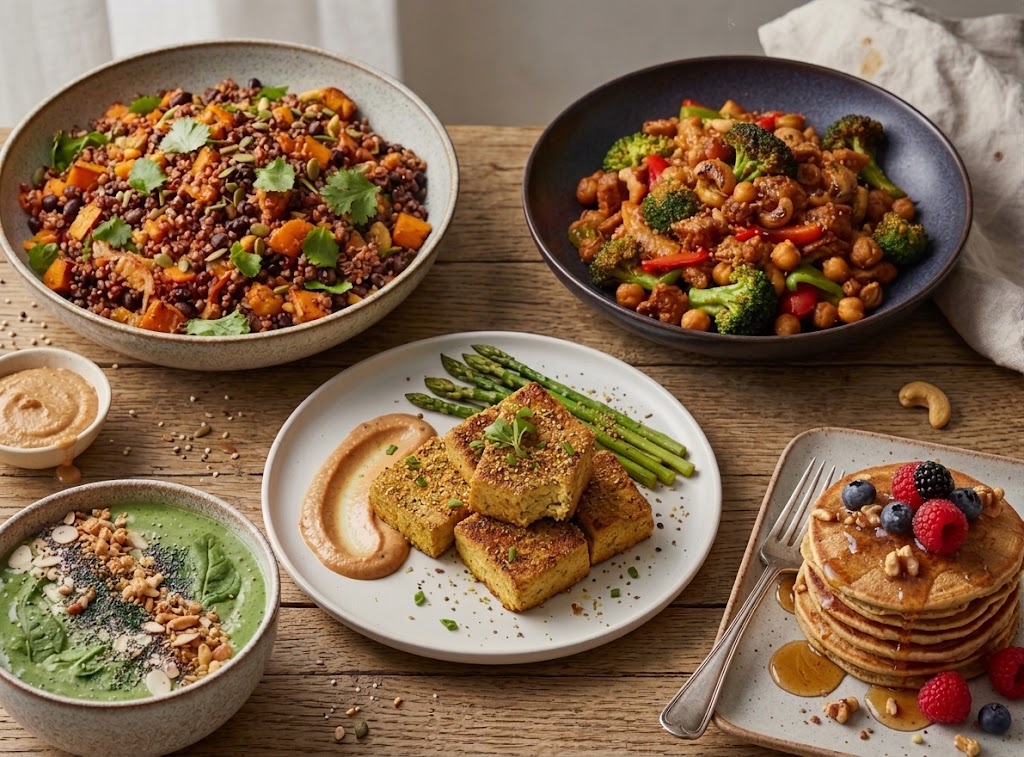
A shake is only one part of the day. Use the Plate Builder to combine a protein anchor with carbohydrate, vegetables, and fats, or compare your full recipe in the Recipe Analyzer.
Frequently asked questions
Is pea and rice protein powder a complete protein?
A properly formulated blend can supply all nine essential amino acids. “Complete” does not automatically mean optimal, so also check serving size, leucine, total daily protein, and product quality.
Is pea and rice protein better than whey?
Not universally. Whey is naturally leucine-rich and highly digestible. A sufficiently dosed pea-rice blend is a strong dairy-free alternative and can support muscle growth alongside progressive resistance training.
When should I take it?
Use it whenever it helps you distribute protein across the day. The hours around training are convenient, but your total daily intake matters more than hitting a tiny post-workout window.