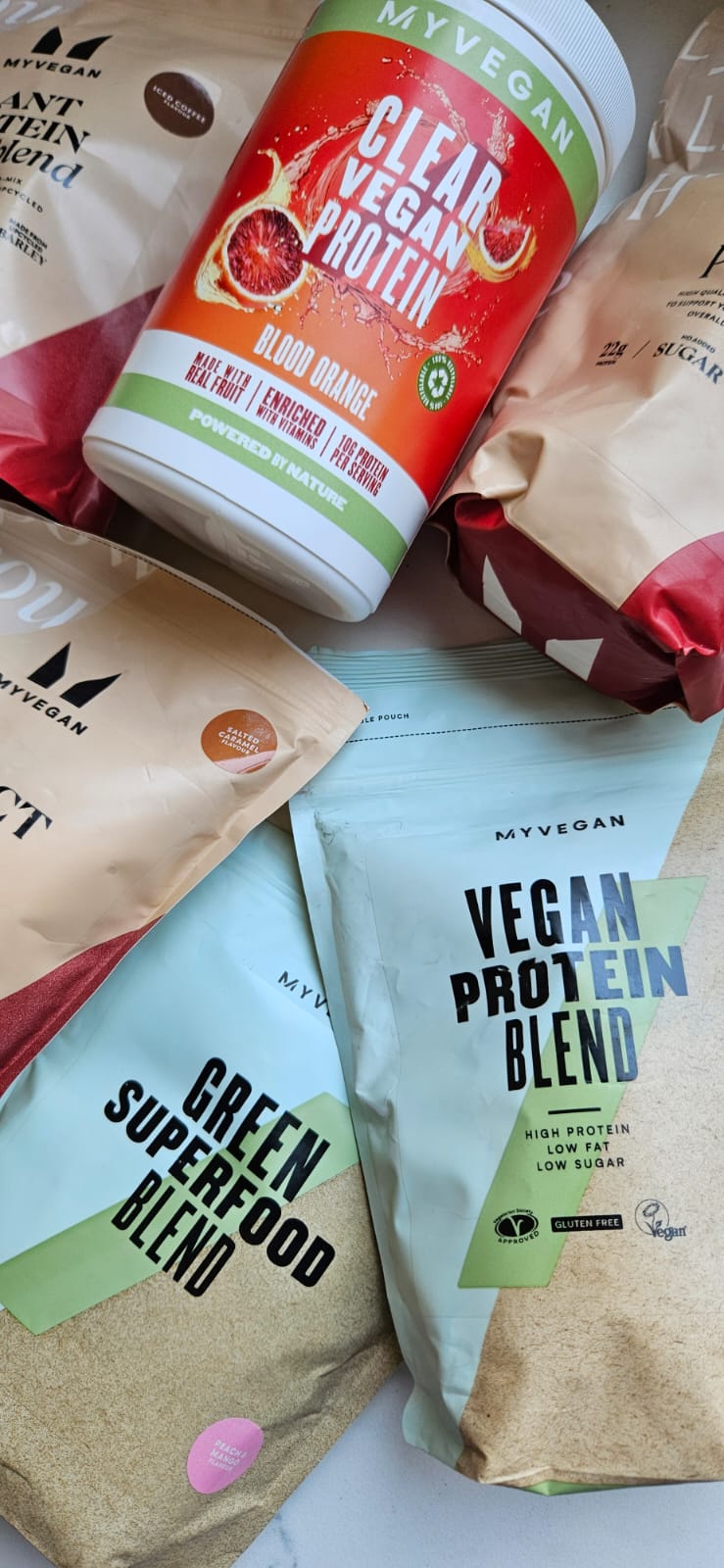
This Myprotein guide helps vegan athletes separate useful supplements from optional extras. Protein powder can make a high-protein target easier; vitamin D, algae-derived omega-3, zinc, and magnesium should be chosen according to diet, bloodwork, sun exposure, and individual need—not because every athlete requires every bottle.
I have been vegan since 2011 and coach strength and endurance athletes. My rule is food first, then use a supplement to solve a specific problem. Product names and formulas can differ between the United States, Canada, and the United Kingdom, so always verify the current regional label before buying.
Myprotein guide: the quick decision table
| Supplement | Best use | Priority |
|---|---|---|
| Soy Protein Isolate | Convenient high-quality protein with minimal carbohydrate and fat | Useful when food intake misses your target |
| Clear Vegan Protein | A lighter, juice-style protein drink | Optional convenience |
| Vegan Vitamin D3 | Correcting or preventing low vitamin D intake/status | Depends on sun exposure, diet, and bloodwork |
| Algae Omega-3 | Direct EPA/DHA without fish | Worth considering when intake is low |
| Zinc/Magnesium | Addressing an inadequate intake or diagnosed deficiency | Not an automatic performance booster |
Soy Protein Isolate: the strongest all-round protein option
Soy protein isolate is a concentrated complete plant protein with all nine essential amino acids. It is generally low in carbohydrate and fat, making it easy to add protein without dramatically changing total calories.
Best for
- Reaching a daily protein target during cutting or muscle-gain phases.
- A post-training shake when a meal is not available soon.
- Adding protein to oats, yogurt, pancakes, or smoothies.
Limitations
Flavor, sweeteners, texture, and serving size vary. People with soy allergy need another option. A shake is not superior to tofu, tempeh, legumes, or a balanced meal when those foods are practical.
For resistance-trained adults, total daily intake and distribution matter more than a narrow “anabolic window.” A practical target is to include protein across several meals and use powder only where it closes a real gap.
Clear Vegan Protein: useful when creamy shakes feel heavy
Clear Vegan Protein is designed to mix into a lighter, fruit-flavored drink rather than a milkshake texture. Depending on the regional formula, it may use hydrolyzed pea protein or another plant-protein base.
- Advantage: easy to drink after hot sessions or when appetite is low.
- Trade-off: it may provide less protein per serving than a standard isolate, and a clear texture does not make it nutritionally superior.
- Label check: compare grams of protein, serving size, sweeteners, amino acid information, allergens, and cost per 20 g of protein.
For long-distance runners, remember that a clear protein drink is not a complete recovery drink by itself. After a long run, add carbohydrate and fluids according to the session.
Vegan Vitamin D3: important when status is low
Vitamin D supports bone health, muscle function, and calcium metabolism. Vegan D3 is commonly produced from lichen; check the ingredient source because not every D3 product is vegan.
The NIH lists 600 IU (15 mcg) per day as the recommended amount for most adults through age 70 and 800 IU (20 mcg) after age 70. These are general intake recommendations, not a treatment dose. The adult tolerable upper intake level is 4,000 IU (100 mcg) per day unless a clinician directs otherwise.
Take vitamin D with a meal containing some fat. Athletes with limited sun exposure, darker skin, indoor training schedules, or a previous low blood level may need closer attention, but the correct dose should follow bloodwork and medical advice.
Omega-3 from algae: direct EPA and DHA without fish
ALA is available from flax, chia, walnuts, and canola oil. The body can convert ALA to EPA and DHA, but conversion is limited and variable. Algae oil provides preformed DHA and sometimes EPA in a vegan form.
- Check the combined EPA + DHA amount, not only “algae oil” milligrams.
- Take it with a meal for comfort and absorption.
- People using anticoagulant medication or preparing for surgery should discuss higher-dose omega-3 supplements with a clinician.
Omega-3 is not a substitute for sleep, adequate calories, carbohydrate recovery, or a progressive training plan. Evidence for exercise recovery is mixed, so treat it as a nutrition consideration rather than a guaranteed performance enhancer.
Zinc and magnesium capsules: correct a gap, not a stopwatch
Zinc supports immune function, wound healing, and many enzymes. Magnesium is involved in energy metabolism, nerve function, and muscle contraction. Deficiency can impair health and performance; taking extra when intake is already adequate does not automatically improve recovery or testosterone.
Label limits that matter
- The adult upper limit for zinc is 40 mg/day from all sources. Long-term high intake can interfere with copper status.
- The upper limit for magnesium applies to supplements and medications, not food, and is 350 mg/day for adults. Higher supplemental doses commonly cause diarrhea and cramping.
- Both minerals can interact with some antibiotics and other medications.
Review the combined daily amount from food, multivitamins, sports products, and capsules. If you suspect a deficiency, test and treat the reason rather than stacking products.
What should a vegan athlete buy first?
- Fix the diet: build meals around tofu, tempeh, TVP, seitan, legumes, fortified foods, grains, nuts, and seeds.
- Calculate the gap: use the Protein Intake Calculator and compare it with a normal week of eating.
- Add protein powder only if useful: soy isolate or a pea and rice protein blend can close the gap.
- Review micronutrients: vitamin B12 is fundamental for vegans; vitamin D, iodine, calcium, iron, zinc, and omega-3 deserve individual attention.
- Verify the current product: Myprotein can change names, formulas, serving sizes, stock, and regional availability.
Affiliate disclosure and product availability
Some product links on this site may be affiliate links, which means I may earn a commission at no additional cost to you. That does not change the evidence standard used in this guide. For current flavors, prices, and product picks, see my separate Myprotein vegan recommendations.
Frequently asked questions
Do vegan athletes need protein powder?
No. It is convenient, not mandatory. Use it when whole foods do not easily meet your protein target.
Should I take supplements before or after training?
Protein can be taken before or after training based on meal timing. Vitamin D, omega-3, zinc, and magnesium are not acute pre-workout products; consistency and appropriate dosing matter more.
Is more zinc or magnesium better for recovery?
No. Correcting low intake matters. Excess can cause side effects and interactions without improving performance.