The Complete Guide to Plant-Based Protein
How to Get Enough Protein on a Vegan Diet
Eat only plants, and the protein question is bound to come up. Can you really get enough on a vegan diet—especially if you work out?
You can. Plants offer plenty of high-quality protein sources. With a varied, well-planned diet tailored to your needs, you can reach protein targets that support your health and fitness goals.
But before we reach for protein powders and bars—or start tallying every gram in our beans and tofu—let's cover the basics: what protein is, how much you need, and why getting enough matters.
What Is Protein?
Protein is one of the three main macronutrients in our diet.
Our bodies contain more than 10,000 different proteins. They're found throughout the body, including in muscles, bones, and hair, and they make up many hormones, enzymes, antigens, and other components.
Protein isn't optional. It's essential to keeping the body's systems working properly.
US dietary recommendations set a daily protein target of 0.8 grams per 1 kg (2.2 lb) of body weight for the general adult population. Protein can account for 10–35% of daily calories, depending on a person's health, goals, and preferences.
Over time, inadequate protein intake can weaken and damage tissues and body systems. Consequences can include impaired growth in infants and children, loss of muscle mass, weakened immune function, and problems with the heart muscle and respiratory system.
Are All Proteins Equal?
Every protein is made of building blocks called amino acids, linked together in different combinations and chain lengths.
Amino acids fall into two broad categories:
(1) Nonessential amino acids: the body can make these itself, sometimes by modifying other amino acids.
(2) Essential amino acids: the body can't make these on its own, so we have to get them from food.
The body needs about 20 amino acids to function properly.
Animal-based protein foods generally provide all the essential amino acids the body needs in adequate proportions.
Individual plant foods, such as fruits, vegetables, grains, nuts, and almonds, may not provide adequate proportions of every essential amino acid. That's where variety matters.
A varied, well-rounded diet made entirely from plants can supply all the essential amino acids you need.
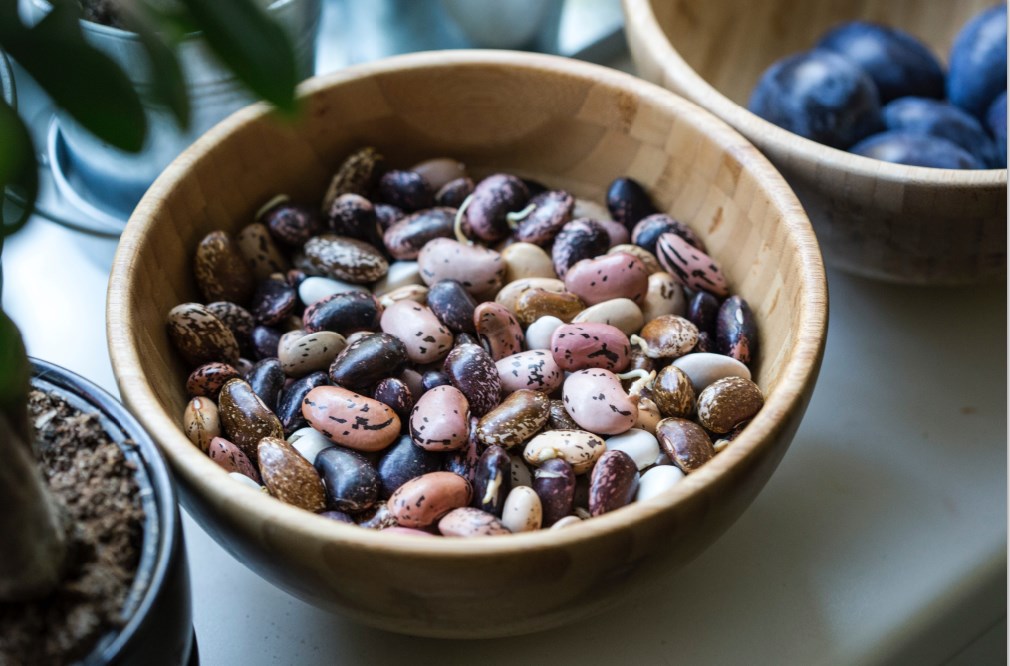
What Makes a Protein High Quality?
DIAAS, short for Digestible Indispensable Amino Acid Score, measures protein quality. The basic idea behind assessing a protein's ability to meet essential amino acid needs is:
A protein intake of 0.66 grams per kilogram of body weight would supply 100% of the body's essential amino acid needs if the protein provides enough of each digestible essential amino acid.
The score accounts for both amino acid content and how well those amino acids are digested and absorbed.
Protein sources with a DIAAS above 100% are considered high quality; this is distinct from another protein-quality measure, biological value (BV).
For example, a healthy person weighing 60 kg (132 lb) who consumes 40 grams of protein—about 0.66 grams per kilogram of body weight—from sufficiently high-quality sources would get the essential amino acids needed for normal body function.
Whey protein and beef often get billed as the highest-quality protein sources. That's not quite the whole picture.
At the top of the protein-quality rankings are milk protein (casein plus whey), casein (one of the proteins in milk), whole milk, eggs, whey protein isolate, and then whey protein concentrate (7,6).
Among plant proteins, soy also ranks highly on the DIAAS scale, while many other plant proteins fall around 50–70%.
To meet essential amino acid needs with proteins that score below 100% on the DIAAS scale, we may need to eat a larger amount of protein. A simplified comparison illustrates the difference between an omnivorous diet and a plant-only diet:
- A diet that includes meat, eggs, and dairy can supply all essential amino acids at 0.66 grams of protein per kilogram of body weight when the protein sources are sufficiently high quality.
- A plant-only diet may require around 1 gram of protein per kilogram of body weight to supply all essential amino acids, depending on the foods eaten.
This comparison is for healthy people and doesn't account for exercise. For someone who trains, protein needs can rise to two or even three times that baseline.
Remember, the general recommendation for healthy adults is 0.8 grams of protein per kilogram of body weight. That recommendation concerns total protein, rather than treating essential and nonessential amino acids as separate intake targets; both occur in the foods we eat.
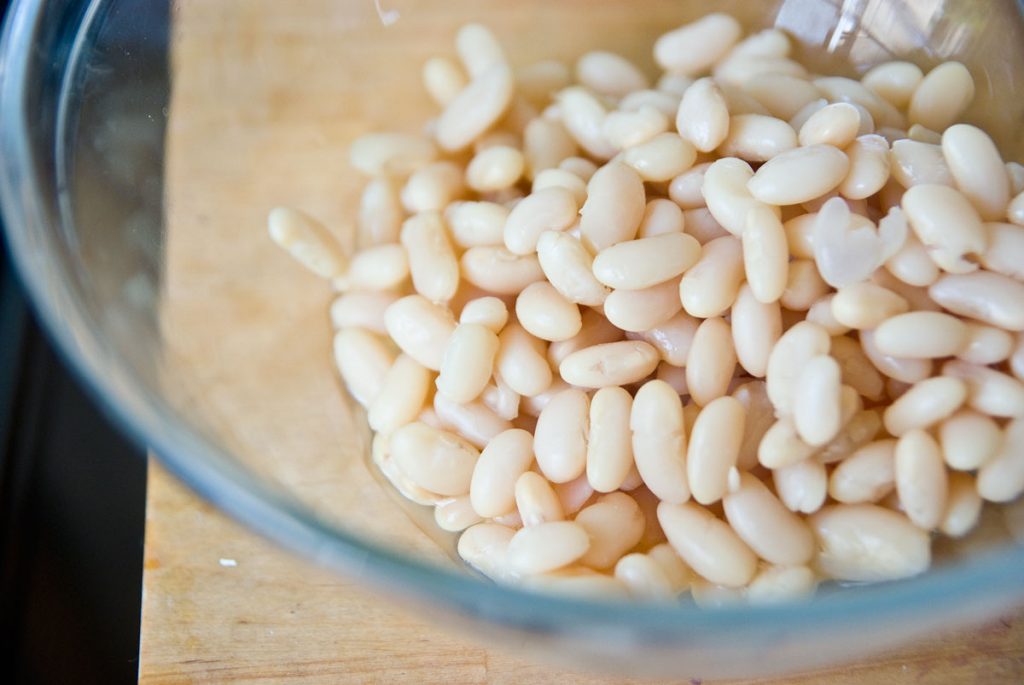
How Many Calories Come With Your "Protein" in Plant Foods?
Plant and animal protein sources can differ in how many calories they provide for a given amount of protein.
That can present a challenge for someone eating vegan who wants to build muscle or lower body fat.
Here's an example to make that more concrete:
An omnivore can get 30 grams of protein from 100 g (3.5 oz) of chicken breast, at a "calorie cost" of about 165 kcal.
Someone eating a plant-based diet can get 30 grams of protein from tofu at a "calorie cost" of about 270 kcal, depending on the tofu.
In this comparison, the plant-based food provides more calories for the same amount of protein. That's something to factor in when you're trying to maintain a calorie deficit while getting enough protein to support your fitness goals.
How Much Protein Do You Need Each Day?
As mentioned above, health organizations recommend 0.8 grams of protein per 1 kg (2.2 lb) of body weight for the general healthy adult population.
For example, someone weighing 60 kg (132 lb) would aim for roughly 50 g (1.8 oz) of protein a day.
Your actual daily needs will vary with your health and activity level.
The kidneys help filter and excrete waste from protein breakdown and other metabolic processes, including substances related to uric acid and ammonia metabolism.
How Much Protein Do You Need to Build Muscle or Support Training?
Building muscle generally calls for a calorie surplus: eating more energy than you burn. For many people, most of those extra calories come from carbohydrates and fat.
The recommended protein range for this goal is 1.6–2.0 grams per 1 kg (2.2 lb) of body weight.
Getting leaner—losing body fat while preserving muscle mass and performance—calls for a calorie deficit: burning more energy than you eat.
One short-term study found that a higher protein intake helped reduce feelings of fatigue in athletes who were in a calorie deficit (3).
For this group, protein targets fall in the range of 2–2.5 grams per 1 kg (2.2 lb) of body weight.
These recommendations apply only to healthy people. If you have a medical condition, your needs should be assessed individually with a physician and a registered dietitian.
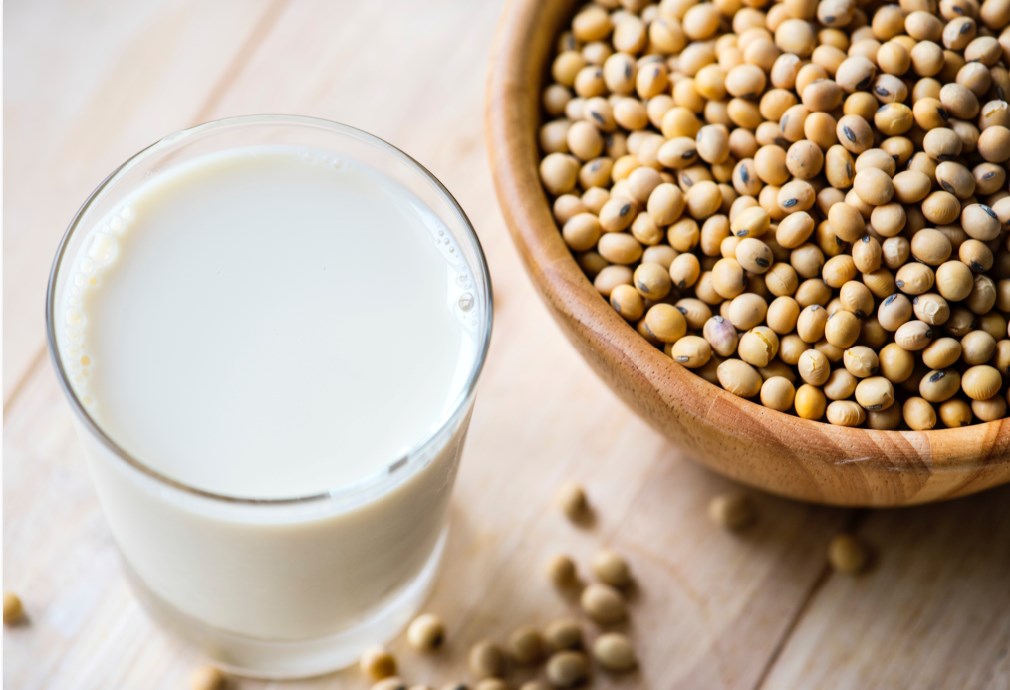
What About BCAAs, Especially Leucine?
BCAAs are three branched-chain amino acids: leucine, isoleucine, and valine.
They're popular among athletes because, unlike many other amino acids, BCAAs largely bypass initial breakdown in the liver and travel through the bloodstream to muscles. There, they can be oxidized for energy or used in tissue-building processes – particularly in skeletal muscle.
The rationale for BCAA supplements is that muscles oxidize more branched-chain amino acids during intense exercise than at rest. The theory is that supplying more could improve performance by delaying muscle fatigue.
Several studies have not found that extra BCAAs offer benefits beyond getting enough "regular" protein from a varied diet (4).
A vegan diet can fall short on branched-chain amino acids, especially leucine, if protein sources aren't chosen carefully.
But including legumes as a regular protein source—especially soy and lentils—can help you get enough leucine. Other legumes, grains, nuts, and seeds round out your intake and help supply all the amino acids your body needs (5).
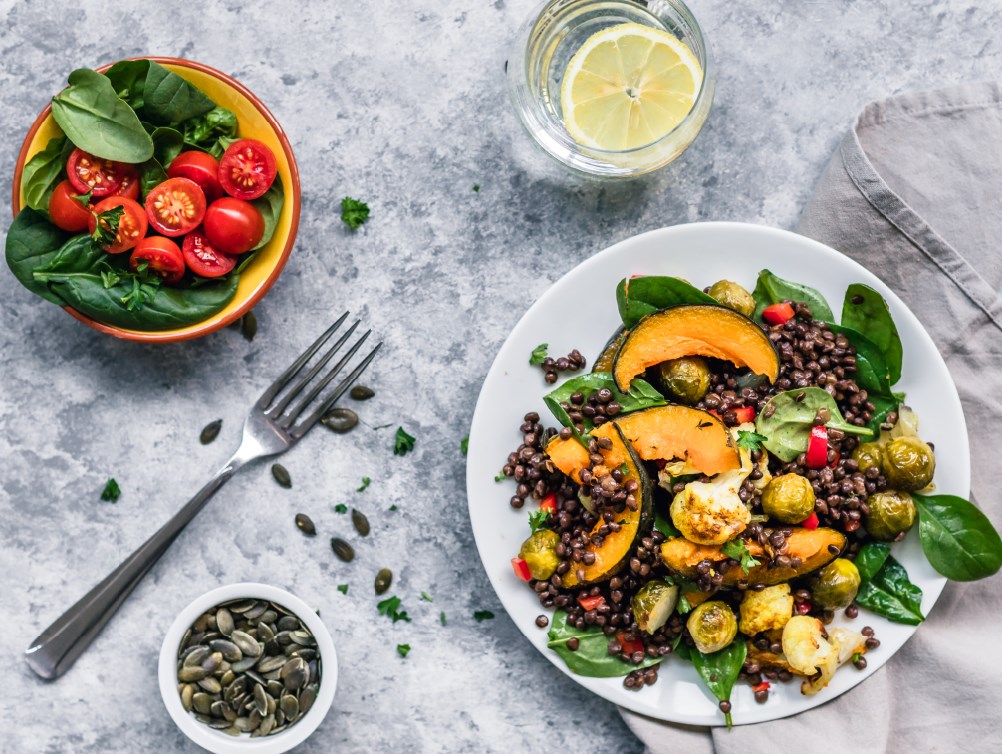
Which Foods Are Good Protein Sources on a Vegan Diet?
Good vegan protein sources include a variety of legumes, seitan, soy foods such as tofu, and whole grains.
| Food | Serving | Protein (grams) |
| Tempeh | 1 cup | 34 |
| Cooked soybeans | 1 cup | 31 |
| Seitan | 100 g (3.5 oz) | 21 |
| Cooked lentils | 1 cup | 18 |
| Cooked black beans | 1 cup | 15 |
| Cooked red kidney beans | 1 cup | 15 |
| Cooked chickpeas | 1 cup | 15 |
| Cooked mung beans | 1 cup | 15 |
| Cooked white beans | 1 cup | 14 |
| Tofu | 100 g (3.5 oz) | 12 |
| Bagel | 1 medium, 120 g (4.2 oz) | 11 |
| Cooked green peas | 1 cup | 9 |
| Cooked quinoa | 1 cup | 8 |
| Natural peanut butter | 1 spoonful — 25 g (0.9 oz) | 8 |
| Raw almonds | ¼ cup | 8 |
| Whole-grain bread | 1 slice — 30 g (1.1 oz) | 3.5 |
| Soy milk | 1 cup | 7 |
| Cooked regular pasta | 1 cup | 7 |
| Natural almond butter | 1 spoonful — 25 g (0.9 oz) | 7 |
| Plain soy yogurt | 1 container — 200 g (7 oz) | 5 |
| Cooked bulgur | 1 cup — 170 g (6 oz) | 6 |
| Sunflower seeds | ¼ cup | 6 |
| Raw cashews | ¼ cup | 5 |
| Cooked spinach | 1 cup | 5 |
| Cooked broccoli | 1 cup | 5 |
| Oats | ½ cup | 3 |
| Chia seeds | 1 tablespoon — 12 g (0.4 oz) | 2.5 |
| VEGAN ALFA vegan protein powder (a protein supplement sold in Israel) | 1 scoop — 30 g (1.1 oz) | 26.4 |
| RAW soy-free vegan protein powder | 1 scoop = 30 g (1.1 oz) | 21 |
Protein is an essential macronutrient. Whatever your eating style, getting enough matters.
Omnivores, vegetarians, and vegans can all get adequate amounts of high-quality protein to meet health recommendations and support their fitness goals.
Aim for a mix of protein sources, just as you'd aim for a varied diet to cover your other essential nutrients. If you're vegan, pay particular attention to variety and protein quality so you can meet your daily needs—especially if you're training, trying to get leaner, or building muscle.
Noam Becher (an Israeli clinical dietitian) – Nutrition credit
Sources:
https://www.ncbi.nlm.nih.gov/pmc/articles/PMC1262767/#B1
https://jissn.biomedcentral.com/art…/10.1186/1550-2783-11-19
https://www.ncbi.nlm.nih.gov/pubmed/25028958
https://pubmed.ncbi.nlm.nih.gov/15930475/
https://jissn.biomedcentral.com/articles/…/s12970-017-0192-9
https://jissn.biomedcentral.com/articles/10.1186/s12970-017-0177-8#Sec17
https://www.ncbi.nlm.nih.gov/pmc/articles/PMC3905294/
6 Vegan Nutrition Myths You May Still Believe