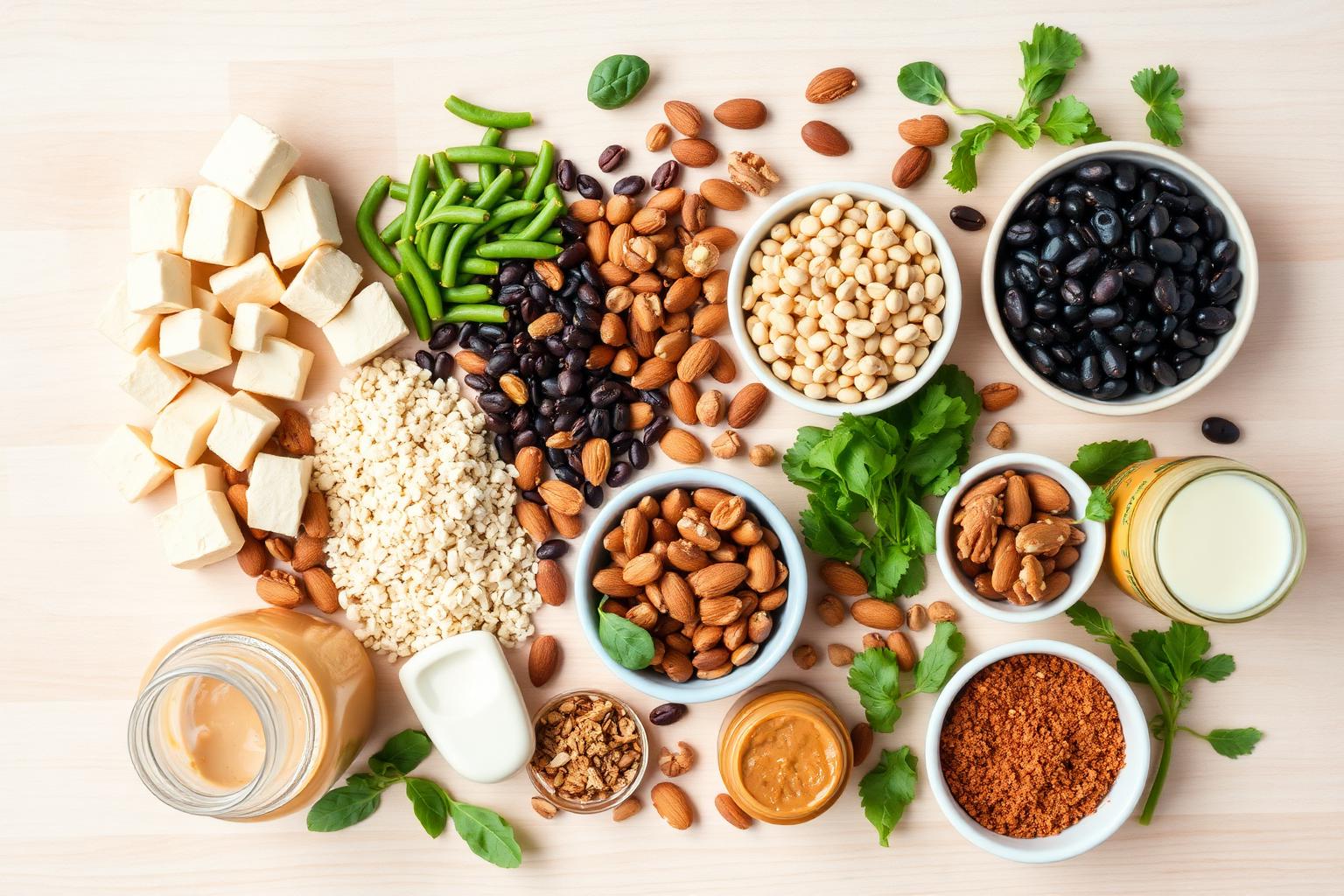
The first question every new vegan gets is: "But where will you get your protein?". The short answer - everywhere. This table centralizes 50+ plant-based foods available in Israel, sorted by protein content, so you can build a menu that hits your target without over-calculating every bite.
How to read the table
All values refer to 100 g (3.5 oz) of the product in its consumed state (cooked for legumes and grains, raw for nuts and seeds, etc.). This is important - 100 g (3.5 oz) of dry lentils provide 3 times more protein than 100 g (3.5 oz) of cooked lentils, simply because the water adds weight.
Legumes - The Backbone of a Vegan Menu (Cooked Protein)
| Food | Protein (g/100 g (3.5 oz)) | Notes |
|---|---|---|
| Edamame (Green Soybeans) | 11 | Complete protein, excellent profile |
| Cooked Soybeans | 17 | The peak of legumes |
| Cooked Black Lentils | 9 | Also rich in iron |
| Cooked Green Lentils | 9 | Very affordable at the supermarket |
| Cooked Red Lentils | 9 | Quick to cook (15 min) |
| Cooked Chickpeas | 8.9 | Basis for tahini, hummus, falafel |
| Cooked Black Beans | 8.9 | Popular in Mexican cuisine |
| Cooked White Beans | 8.2 | Great for soups and patties |
| Cooked Green Peas | 5.4 | Kid-friendly |
Processed Soy Products - The Vegan "Meats"
| Food | Protein (g/100 g (3.5 oz)) | Notes |
|---|---|---|
| Tempeh | 19 | The winner: Fermented soy, complete profile |
| Seitan (Wheat Gluten) | 25 | The highest, but it is pure gluten |
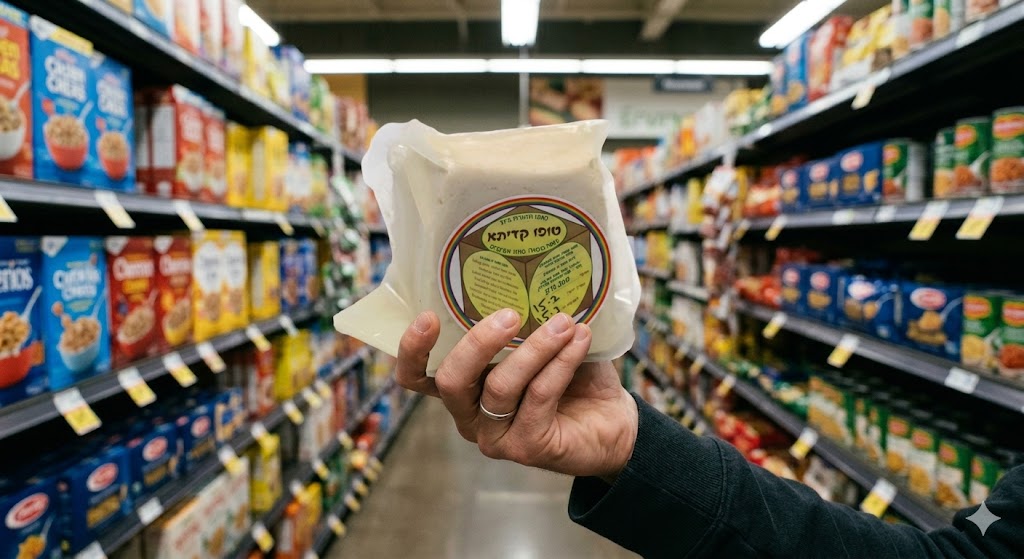
| Firm Tofu | 15 | The classic - BBQ, stir-fry, baked |
| Silken Tofu | 5 | For desserts and creamy soups |
| Enriched Soy Milk | 3.3 | Per 100 ml (0.4 cups) - closest to cow's milk |
| Soy Yogurt (Alpro/Yoplait) | 4–6 | Depends on the brand |
Whole Grains (Cooked Protein)
| Food | Protein (g/100 g (3.5 oz)) |
|---|---|
| Cooked Oatmeal | 2.4 (per 100 g (3.5 oz)); 13g per 100 g (3.5 oz) dry |
| Cooked Quinoa | 4.4 - Complete protein! |
| Cooked Brown Rice | 2.6 |
| Cooked Buckwheat | 3.4 |
| Cooked Whole Wheat Couscous | 3.8 |
| Cooked Whole Wheat Pasta | 5 |
| Pea Pasta (Banza, Barilla Red Lentil) | 14 |
| Quality Whole Wheat Bread | 10–13 (per 100 g (3.5 oz) bread) |
Nuts, Seeds, and Butters (Raw Protein)
| Food | Protein (g/100 g (3.5 oz)) | Notes |
|---|---|---|
| Hemp Seeds | 32 | Complete protein, Omega-3 |
| Almonds | 21 | |
| Pumpkin Seeds | 30 | High in iron and zinc too |
| Peanuts | 26 | |
| Peanut Butter | 25 | |
| Raw Tahini | 17 | |
| Chia Seeds | 17 | + Omega-3 and 5g fiber per tbsp |
| Ground Flaxseeds | 18 | |
| Walnuts | 15 | |
| Cashews | 18 | |
| Pistachios | 20 |
High-Protein Vegetables (Don't Ignore These!)
| Food | Protein (g/100 g (3.5 oz)) |
|---|---|
| Cooked Spinach | 3 |
| Cooked Broccoli | 2.8 |
| Asparagus Spears | 2.4 |
| Baked Potato with skin | 2.5 |
| Baked Sweet Potato | 2 |
| Mushrooms (all types) | 3 |
| Alfalfa Sprouts | 4 |
Supplements and Aids
| Food | Protein (g/100 g (3.5 oz)) |
|---|---|
| Vegan Protein Powder | 70–85 (depending on brand) |
| Nutritional Yeast | 45 |
| Spirulina | 57 (but you only eat 2-3g in a tsp - not a significant source) |
How to reach 100 g (3.5 oz) of vegan protein a day - A Practical Example
Let's say you are a 70 kg (154.3 lb) male, and your protein goal is 110 g (3.9 oz) per day (1.6g/kg). Here is what a simple day looks like:
- Morning: 80 g (2.8 oz) dry oats (10g), 30g protein powder in a shake (22g), one tbsp peanut butter (4g) → 36g
- Snack: Soy yogurt (5g) + 30g almonds (6g) → 11g
- Lunch: 200 g (7.1 oz) cooked lentils (18g) + 100 g (3.5 oz) quinoa (4.4g) + salad with 50 g (1.8 oz) chickpeas (4g) + 2 tbsp tahini (5g) → 31g
- Evening: 200 g (7.1 oz) grilled tofu (30g) + 150 g (5.3 oz) brown rice (4g) → 34g
Total: 112 g (4.0 oz) protein - target achieved without eating anything "weird".
Want a personalized goal? Enter your measurements into the protein calculator and see exactly how much protein you need in 30 seconds.
5 Common Mistakes for Vegans
- Counting protein for raw foods instead of cooked. 100 g (3.5 oz) of dry lentils is not the same as 100 g (3.5 oz) of cooked lentils.
- Ignoring legumes. "I don't like chickpeas" - there are 10 other types of legumes. Try them.
- Forgetting Lysine. Most grains and nuts are low in Lysine. Add legumes (rich in lysine) to cover your bases.
- Relying solely on protein powder. Powder is a supplement - not a replacement for real food.
- Fearing soy. 100 g (3.5 oz) tofu = 15g high-quality protein. There is no medical reason to avoid it in normal consumption.
FAQ
What is the richest protein source for vegans?
Seitan (25g/100 g (3.5 oz)), followed by Tempeh (19g) and Tofu (15g). Among legumes - Soybeans (17g). But "richest" isn't always "best" - variety is key.
Is plant protein "lesser" than animal protein?
No. Recent studies (Pinckaers et al., 2024) have shown that when consuming sufficient daily protein (1.6g/kg or more) from varied sources, muscle-building results are identical.
How many high-protein meals a day?
4 meals with 0.4g protein/kg in each - maximizing protein synthesis.
Which grain is the highest in protein?
Quinoa (4.4g cooked) and Buckwheat (3.4g). If you're looking for a real powerhouse - pea pasta (14g/100 g (3.5 oz)).
Summary
Veganism and protein are not contradictory - they complement each other. This table is a toolbox: save it, refer back to it, and plan your next meals with it.
Next Step: Calculate your daily goal and start tracking for a week. You'll be surprised how easy it becomes once you know the numbers.